A dental visit should never feel like a guessing game. Modern dental technology helps your dentist see concerns earlier, plan treatment with greater accuracy, and explain what is happening in a way that makes sense. For patients, that often means fewer surprises, more comfortable appointments, and decisions based on a clearer picture of their oral health.
Technology does not replace clinical skill, careful listening, or a personalized treatment plan. It gives a knowledgeable dental team better information and better tools to provide the right care at the right time. Whether you are bringing in a child for a first checkup, considering cosmetic improvements, or addressing pain from a damaged tooth, the goal remains the same: protect your health while helping you feel comfortable and confident in your smile.
How Dental Technology Improves Everyday Care
Many oral health problems begin quietly. A cavity can develop between teeth without causing pain. Gum disease may progress before you notice bleeding or sensitivity. A crack in a tooth can be difficult to identify with the naked eye. Earlier detection gives patients more conservative options, which can protect more of the natural tooth structure and help avoid more extensive treatment later.
Digital tools also make patient education more meaningful. It is easier to understand a recommendation when you can see an image of a worn filling, inflamed gum tissue, or a small area of decay. Rather than simply being told what needs attention, you can have a conversation about the finding, your treatment choices, the likely timeline, and what may happen if treatment is delayed.
For families, this clarity matters. Parents can better understand preventive recommendations for their children, while adults can make informed choices about restorative, cosmetic, periodontal, or implant treatment. At Newport Beach Dentistry, technology is used to support individualized care, not to rush patients through a standardized process.
Digital X-Rays Provide Detailed Information With Less Exposure
Digital X-rays are one of the most valuable tools in modern dentistry. They allow dentists to evaluate areas that cannot be fully seen during a visual exam, including the spaces between teeth, roots, bone levels, and areas beneath existing restorations. This information can help identify decay, infections, bone loss, impacted teeth, and other concerns at an earlier stage.
Compared with traditional film X-rays, digital imaging typically uses significantly less radiation and creates images immediately. The images can be enlarged, adjusted, and reviewed chairside, helping your dentist explain findings with precision. This can be especially helpful for patients who have postponed care because they are worried about the unknown.
Not every patient needs the same X-rays at the same interval. The appropriate schedule depends on your age, cavity risk, gum health, existing dental work, symptoms, and medical history. A patient with frequent decay may need imaging more often than someone with a stable history and low risk. Thoughtful care means taking the images that are clinically useful, not taking them simply because time has passed.
Intraoral Cameras Help You See What Your Dentist Sees
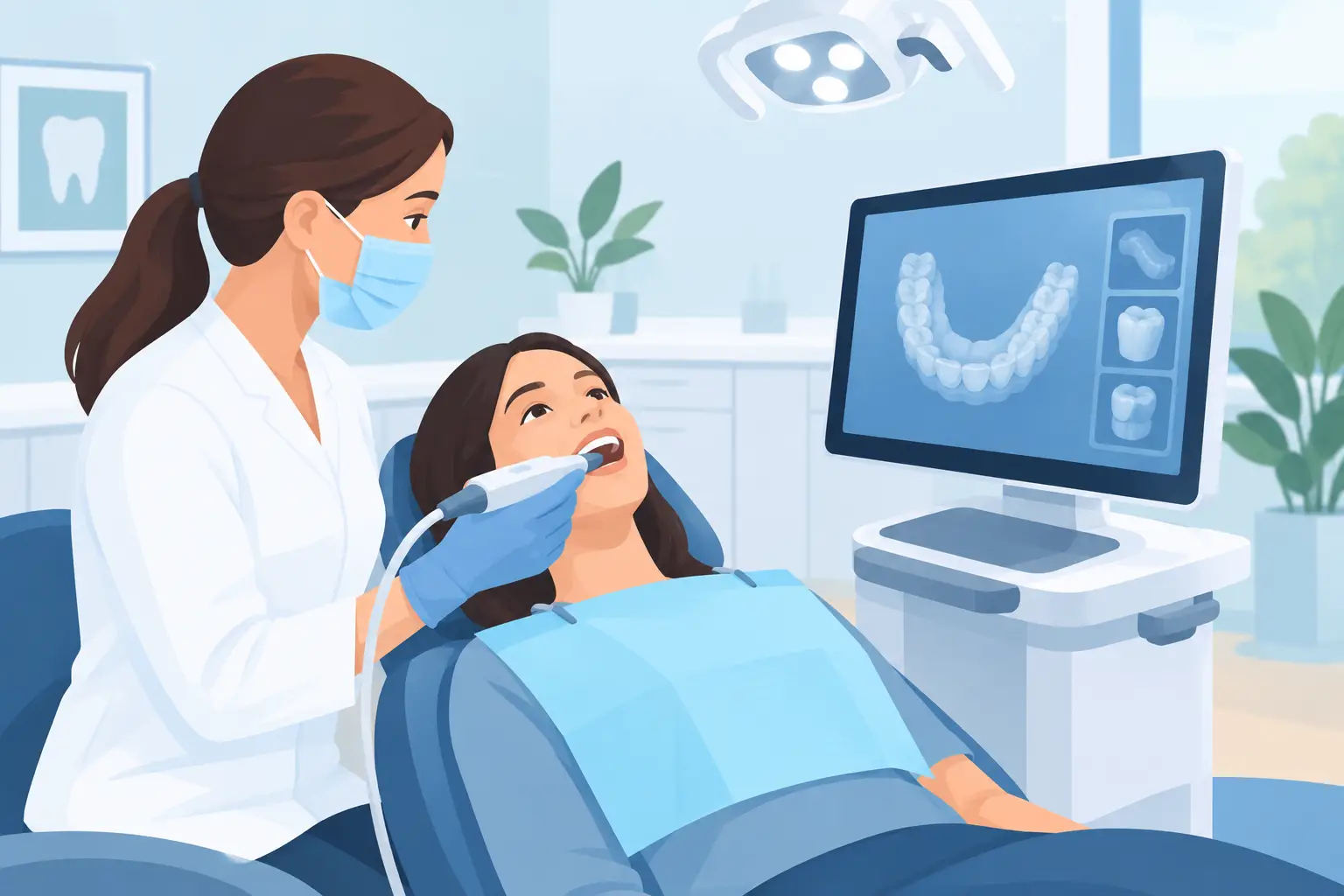
An intraoral camera is a small handheld camera that captures close-up images inside the mouth. It can show details that are otherwise difficult to view, such as a chipped tooth, a fractured filling, plaque buildup near the gumline, or wear caused by clenching and grinding.
The value of this technology is straightforward: it turns an abstract explanation into something visible. If a dentist recommends replacing a leaking crown or monitoring a suspicious area, an image can help you understand why. It also creates a useful record over time, allowing changes to be monitored at future visits.
For patients who feel anxious about dental treatment, seeing the issue can bring reassurance. You have the opportunity to ask questions and understand the reason behind a recommendation before moving forward. Good dentistry should feel collaborative, and clear visuals can make that conversation easier.
Laser Dentistry Can Support Gentle, Precise Treatment
Dental lasers use focused light energy for certain soft-tissue procedures. Depending on the clinical situation, laser therapy may be used to address gum inflammation, reshape gum tissue, assist with periodontal treatment, or improve comfort during select procedures.
One advantage of laser treatment is precision. It may allow the dentist to target specific tissue while minimizing impact on surrounding areas. Many patients also appreciate that some laser procedures involve less bleeding, swelling, and discomfort than conventional approaches. Healing can be more comfortable in appropriate cases.
That said, a laser is not automatically the best choice for every gum or oral surgery procedure. The right approach depends on the condition being treated, the location, the severity of the problem, and your overall health. An experienced dentist will recommend the method that offers the best balance of safety, predictability, and comfort for your needs.
Ultrasonic Instruments Make Professional Cleanings More Effective
Professional cleanings are essential because hardened plaque, called calculus or tartar, cannot be removed completely with brushing and flossing at home. Ultrasonic instruments use gentle vibrations and a stream of water to loosen and remove deposits from the teeth and around the gumline.
For many patients, ultrasonics make cleanings more efficient and comfortable, particularly when there is significant tartar buildup. They can also be useful during periodontal maintenance for patients managing gum disease. The water helps flush away debris while keeping the treatment area cool.
Some patients have sensitive teeth, dental anxiety, or medical considerations that call for adjustments. Your hygienist can adapt the cleaning approach, use hand instruments where appropriate, and offer practical comfort measures. Technology should make care easier, but your experience and comfort are always part of the clinical plan.
Technology Helps Plan Cosmetic and Restorative Dentistry
A healthy smile and an attractive smile are closely connected. Digital imaging and detailed diagnostics can support treatment planning for veneers, crowns, bonding, teeth whitening, orthodontics, dental implants, bridges, dentures, and full-mouth restorative care.
For example, when planning a crown or implant, your dentist needs to understand more than the appearance of the tooth. Bite forces, gum health, bone support, neighboring teeth, and overall facial balance can all affect the long-term result. Accurate records and imaging help guide these decisions before treatment begins.
Technology is particularly valuable when treatment involves several steps or multiple dental concerns. A patient who has worn teeth, missing teeth, and gum inflammation may need a phased plan that restores health first and aesthetics second. Another patient may be a strong candidate for a conservative cosmetic option. There is no one-size-fits-all answer, and the best plan respects your priorities, budget, timeline, and long-term oral health.
Comfort Still Starts With Listening
Advanced equipment can improve the clinical experience, but it cannot replace compassion. Many patients carry memories of uncomfortable appointments, feel embarrassed about the condition of their teeth, or worry about the cost of recommended treatment. Those concerns deserve a respectful conversation.
Tell your dental team if you are nervous, have a strong gag reflex, experience tooth sensitivity, or have had difficulty getting numb in the past. Share your goals as well. You may want to preserve a natural look, complete treatment before an important event, address years of dental avoidance, or simply find a dependable dental home for your family.
The most meaningful use of dental technology is not the device itself. It is the way it helps your care team understand your needs, prevent small problems from becoming larger ones, and create a treatment plan you can feel good about. If it has been a while since your last visit, a modern exam can be a calm, practical first step toward a healthier smile.