A swollen or bleeding gumline can be one of the first changes a patient notices during pregnancy. It can feel alarming, especially when you are already managing appointments, fatigue, and changes throughout your body. Thoughtful pregnancy dental care helps protect your comfort, your oral health, and your ability to enjoy this important season with confidence.
Dental visits are not something to postpone automatically because you are pregnant. In fact, preventive care and needed treatment can help address small concerns before they become painful or urgent. The key is a personalized plan that considers your trimester, your medical history, your comfort, and guidance from your obstetric provider when appropriate.
Why Pregnancy Can Affect Your Mouth
Pregnancy hormones can make gum tissue react more strongly to plaque, the sticky bacterial film that forms on teeth each day. Even patients with strong brushing habits may develop gums that look puffy, feel tender, or bleed during brushing and flossing. This is commonly called pregnancy gingivitis.
Pregnancy gingivitis is common, but it should not be ignored. When plaque remains along the gumline, inflammation can worsen and may progress into periodontal disease in patients who already have underlying gum concerns. A professional cleaning, along with effective home care, can reduce buildup and give your dentist a clear view of your gum health.
Some patients also develop a small, red, raised area of gum tissue, sometimes called a pregnancy tumor or pyogenic granuloma. Despite the name, this growth is not cancerous. It may bleed easily and can be uncomfortable, particularly if it catches food. These areas often improve after delivery, but a dental examination is the right way to rule out other causes and determine whether treatment is needed sooner.
Morning sickness creates a separate challenge. Repeated exposure to stomach acid can soften enamel and raise the risk of tooth sensitivity and decay. If vomiting occurs, rinse your mouth with water or a mixture of water and a small amount of baking soda. Wait about 30 minutes before brushing so you do not scrub acid-softened enamel. If toothpaste flavor triggers nausea, ask your dental team about gentler options and techniques that may make brushing easier.
Pregnancy Dental Care: What Is Safe to Schedule?
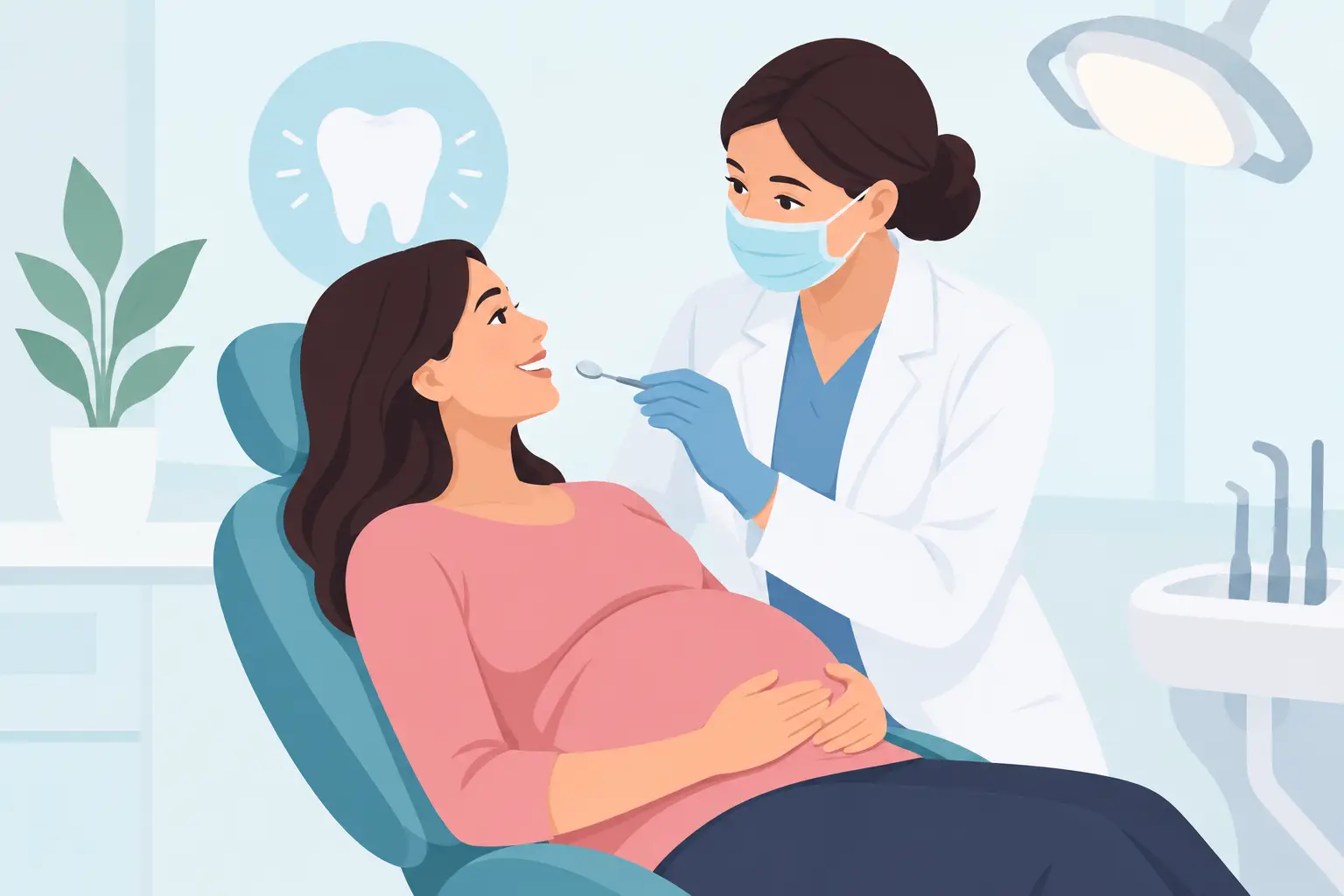
Routine exams and professional cleanings are generally appropriate during pregnancy and are often the best way to prevent a minor issue from becoming more complicated. Let your dental team know that you are pregnant, how far along you are, and whether your pregnancy has been considered high-risk. Also share any medications, supplements, medical conditions, or instructions from your obstetrician.
The second trimester is often a convenient time for elective dental work because nausea may be less intense and it is usually easier to sit comfortably in the dental chair. Still, timing is not one-size-fits-all. A patient with a painful cavity, broken tooth, gum infection, or dental abscess should seek care promptly regardless of trimester. Delaying treatment for an active infection can create more discomfort and may require more extensive care later.
Dental X-rays may be recommended when they are necessary to diagnose pain, infection, trauma, or a treatment need that cannot be evaluated fully by sight alone. Modern digital imaging uses very low radiation, and your dental office will use appropriate precautions while limiting images to those that are clinically necessary. Tell the team about your pregnancy before imaging, even if you think they already know.
Local anesthetic is commonly used for dental treatment during pregnancy, and controlling pain supports a safer, calmer experience. Your dentist will select medications carefully and coordinate with your physician when your health history or planned treatment calls for added guidance. The same careful approach applies to prescriptions for pain relief or infection. Never start, stop, or borrow medication without discussing it with your dentist and prenatal care provider.
Care That May Need Different Timing
Cosmetic treatment is typically best postponed until after pregnancy when it is not medically necessary. Teeth whitening, for example, is elective, and there is limited research on whitening products during pregnancy. Waiting protects your peace of mind and allows the focus to remain on oral health needs.
Long or complex procedures may also be divided into shorter, more comfortable appointments. As pregnancy progresses, lying flat for an extended time can cause dizziness or discomfort for some patients. A supportive pillow, frequent breaks, and a slightly adjusted chair position can make a meaningful difference. If you feel lightheaded, short of breath, anxious, or uncomfortable at any point, tell your dental team immediately.
A Home Routine That Supports Healthy Gums
The most effective daily routine is simple and consistent: brush twice a day with fluoride toothpaste, clean between your teeth once a day, and keep regular preventive visits. Use a soft-bristled toothbrush and gentle pressure. Bleeding gums are a reason to be more thorough, not to stop flossing, though aggressive brushing can make sensitive tissue feel worse.
Diet also matters. Pregnancy cravings and frequent snacking can expose teeth to sugar and acids throughout the day. You do not need a perfect diet to care for your smile. Try to make water your default drink, enjoy sweets with a meal instead of grazing on them, and choose tooth-friendly snacks such as cheese, yogurt, nuts, vegetables, or fruit when they fit your dietary needs.
Dry mouth can increase cavity risk, and some patients experience it during pregnancy. Drinking water regularly, chewing sugar-free gum if approved by your physician, and avoiding frequent sugary drinks can help. If you are struggling with persistent dry mouth, severe sensitivity, or frequent cavities, bring it up at your visit so your dentist can recommend targeted preventive options.
When to Call the Dentist Without Waiting
A little gum bleeding can be common during pregnancy, but certain symptoms deserve timely attention. Contact your dental office if you have a toothache that persists, facial swelling, a fever, pus near the gums, a broken tooth, a loose restoration, or a bad taste that does not go away. These may point to infection or damage that needs professional treatment.
Call as well if gum bleeding is heavy, spontaneous, or accompanied by significant pain. While hormones can contribute to inflammation, no one should have to simply tolerate a painful mouth throughout pregnancy. Early evaluation often leads to a simpler, more comfortable solution.
Patients with a history of gum disease, diabetes, severe nausea and vomiting, or high-risk pregnancy may benefit from more individualized planning. Your dentist and prenatal care team can help determine the safest schedule and the right level of monitoring for you.
A Comfortable Dental Visit Starts With Communication
Dental care during pregnancy should feel supportive, not stressful. Before your appointment, write down any symptoms, questions, and medications so nothing is overlooked. Mention worries about nausea, anxiety, gagging, back discomfort, or treatment costs. A compassionate dental team can adapt your visit, explain each recommendation clearly, and help you understand which care is needed now versus what can wait.
At Newport Beach Dentistry, personalized care means looking at the full picture – your oral health, medical needs, comfort, and long-term goals. Advanced diagnostic technology and a broad range of services allow treatment planning to stay focused on what is appropriate for you, without unnecessary delays or guesswork.
Your growing family deserves a healthy start, and your smile is part of that care. If your gums are changing, a tooth is bothering you, or it has been a while since your last cleaning, a gentle dental visit can provide reassurance and a clear path forward.