A tooth can feel perfectly fine while a small cavity grows beneath an old filling or gum inflammation progresses quietly along the gumline. That is why a preventive dentistry for adults guide is about more than remembering to brush. It is a practical plan for protecting your teeth, gums, bite, and confidence before a minor concern becomes a painful, costly problem.
Preventive care is especially valuable for adults because oral health needs change over time. Stress, dry mouth, medications, pregnancy, orthodontic appliances, aging restorations, and medical conditions can all affect the mouth. A personalized approach helps you keep ahead of those changes while preserving as much healthy natural tooth structure as possible.
What Preventive Dentistry Really Protects
Preventive dentistry focuses on finding risk early, reducing the factors that cause disease, and supporting habits that work in real life. It includes professional cleanings and exams, but it also considers how your gums are responding, whether your bite places excess pressure on certain teeth, and whether existing crowns, fillings, or implants need maintenance.
The goal is not simply to avoid cavities. Healthy gums help support your teeth, a stable bite can reduce wear and fractures, and a clean, comfortable mouth makes it easier to speak, eat, and smile without hesitation. For many adults, prevention also protects prior investments in cosmetic or restorative treatment.
Your plan should reflect your actual risks. Someone with a history of frequent cavities may benefit from fluoride support and more frequent visits. A patient with gum disease may need periodontal maintenance rather than a standard cleaning schedule. An adult with implants, veneers, bridges, or Invisalign may need specific home-care techniques to keep those treatments looking and functioning their best.
Your Daily Preventive Dentistry for Adults Routine
The most effective routine is one you can repeat consistently, even on busy mornings and late nights. Brush twice a day for two full minutes with a soft-bristled toothbrush and fluoride toothpaste. Place the bristles gently at the gumline rather than scrubbing hard across the teeth. Aggressive brushing does not clean better and can contribute to gum recession and sensitivity over time.
Clean between your teeth once daily. Floss works well for many people, while interdental brushes, water flossers, or floss picks can be useful depending on the spaces between teeth, the presence of braces, bridges, or hand dexterity. The best option is the one that removes plaque consistently without causing pain or frustration. If you are unsure, your dental team can show you a technique that fits your mouth.
Fluoride deserves attention in adulthood too. It helps strengthen enamel and can slow or reverse very early mineral loss. Adults with dry mouth, exposed roots, frequent snacking, or previous decay may need more than a standard over-the-counter toothpaste. A dentist can recommend whether a prescription fluoride product or in-office treatment makes sense for your level of risk.
Mouthwash can be helpful, but it is not a substitute for brushing and cleaning between teeth. Some rinses provide fluoride, while others are designed to support gum health. Alcohol-containing rinses may feel too drying for patients already dealing with dry mouth, so the right choice depends on your needs.
Small choices that make a meaningful difference
Frequent exposure to sugar and acid matters as much as the total amount consumed. Sipping sweetened coffee, soda, sports drinks, or sparkling beverages over several hours gives bacteria and acids repeated opportunities to weaken enamel. Enjoying these beverages with a meal, using a straw when appropriate, and drinking water afterward can reduce exposure.
After acidic foods or drinks, wait about 30 minutes before brushing. Enamel is temporarily softened by acid, and immediate brushing can add wear. Water, sugar-free gum, and saliva all help the mouth return toward a healthier balance.
Tobacco use also raises the risk of gum disease, tooth loss, delayed healing, and oral cancer. If quitting feels difficult, discussing it openly with your healthcare providers is a constructive first step. Oral health care should be supportive, never judgmental.
Why Professional Visits Still Matter
Even excellent home care cannot remove hardened tartar or reveal everything happening below the surface. Professional exams and cleanings give your dentist a chance to assess areas you cannot see or feel, including between teeth, beneath the gums, around older restorations, and within the bite.
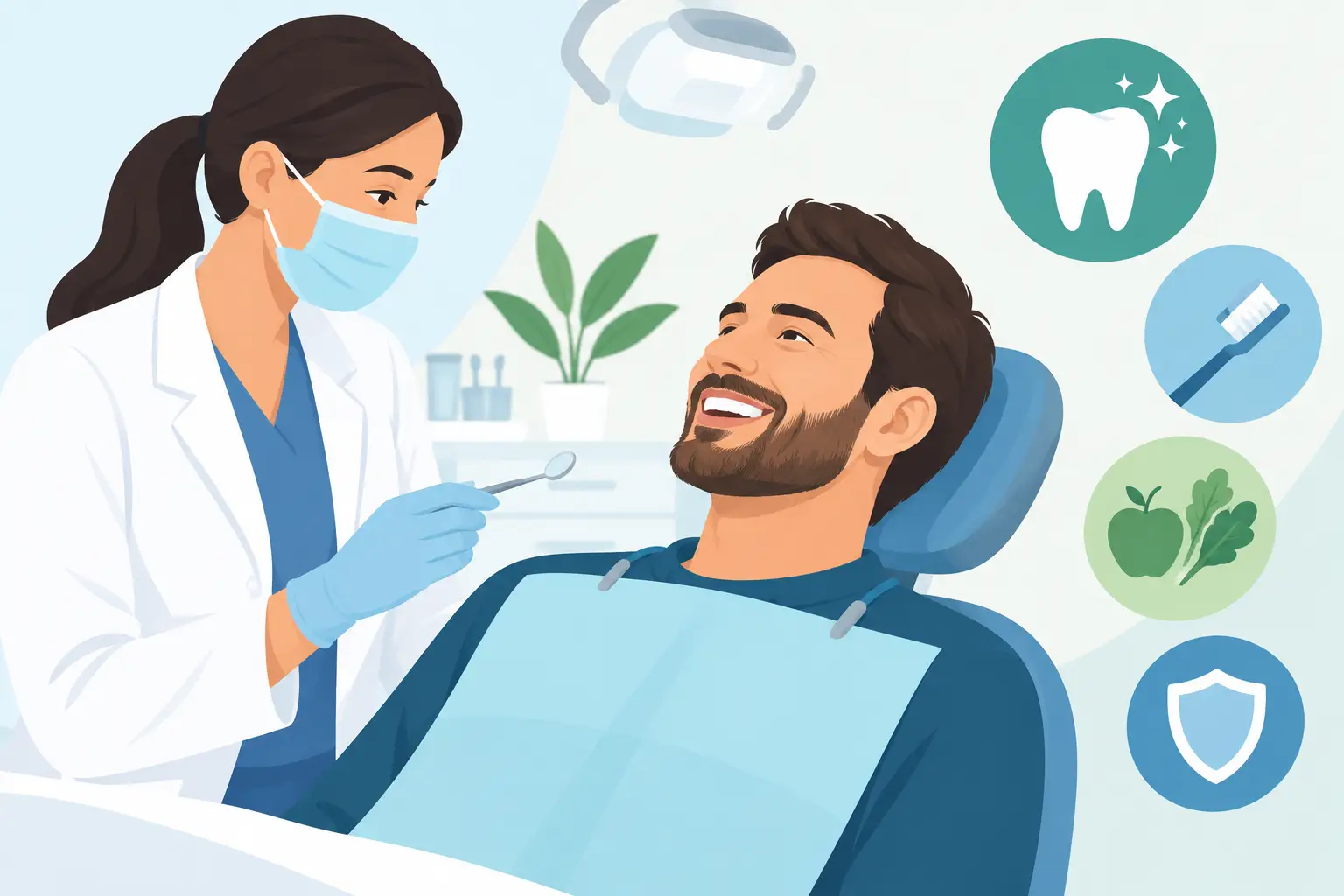
At a preventive appointment, care may include a thorough cleaning, gum measurements, an evaluation for cavities and cracked teeth, an oral cancer screening, and periodic digital X-rays when clinically appropriate. Digital imaging helps identify concerns such as decay between teeth, bone changes, and problems around roots while allowing the dental team to use images thoughtfully rather than routinely without need.
Many adults do well with visits every six months, but that is not a universal rule. A patient with healthy gums and low cavity risk may need a different schedule than someone managing periodontal disease, diabetes, dry mouth, or recurring decay. More frequent hygiene visits are not a punishment or a sales tactic when they are recommended for clinical reasons. They can be an effective way to control inflammation before it causes lasting damage.
Modern tools can also make preventive visits more understandable. Intraoral cameras let you see areas of concern, ultrasonics can improve the efficiency of tartar removal, and digital records help track subtle changes over time. Clear explanations and images allow you to take part in decisions about your care.
Gum Health Is Not Optional Adult Care
Bleeding when you brush or floss is often treated as normal, but it is commonly a sign of inflammation. Gingivitis, the earliest stage of gum disease, can often improve with thorough plaque removal and professional care. Untreated inflammation can progress to periodontitis, which affects the bone and tissues supporting the teeth.
Periodontal disease is often quiet. You may not experience significant pain until damage is advanced, which is one reason regular monitoring matters. Pay attention to bleeding, persistent bad breath, tenderness, gum recession, loose teeth, changes in how your teeth fit together, or a new space developing between teeth.
If gum disease is present, a standard cleaning may not be enough. Periodontal treatment can remove bacteria and buildup below the gumline, followed by a maintenance schedule designed to protect the results. Early care is generally simpler, more comfortable, and less expensive than waiting until teeth become unstable.
Consider Your Whole Health and Your Smile Goals
Your mouth is part of your overall health. Conditions such as diabetes can make gum inflammation harder to control, while chronic inflammation in the mouth can complicate general wellness. Medication-related dry mouth can significantly raise cavity risk, particularly around the gumline and exposed roots. Tell your dentist about new diagnoses, medications, supplements, and changes in your health history.
Preventive care also supports aesthetic goals. Whitening looks more polished on clean, healthy teeth. Veneers and bonding need healthy gums around them. Invisalign and other orthodontic treatments require careful hygiene so plaque does not accumulate around attachments or aligners. Before cosmetic treatment, a careful preventive foundation helps create results that are healthier as well as more attractive.
A custom nightguard may be recommended if you clench or grind your teeth. Grinding can flatten enamel, crack fillings, strain jaw muscles, and place stress on crowns or implants. A store-bought guard may offer temporary protection for some people, but a professionally made appliance is designed for your bite and is typically more comfortable and stable.
When to Call Rather Than Wait for Your Next Cleaning
Do not wait for a routine appointment if you have tooth pain, facial swelling, a broken tooth, a lost filling or crown, a mouth sore that does not heal within two weeks, or sudden sensitivity that persists. These symptoms do not always mean a severe problem, but timely evaluation can prevent a more complicated emergency.
It is also wise to schedule an exam if your gums bleed regularly, your breath remains unpleasant despite good hygiene, or you notice a change in your bite. Small shifts can be early clues that deserve attention.
At Newport Beach Dentistry, preventive care is approached as an ongoing partnership. Your recommendations should account for your health history, comfort level, financial priorities, and long-term goals, whether you need a straightforward cleaning or coordinated care for gums, restorations, and smile improvements.
A healthy smile is built through ordinary actions repeated over time and supported by skilled professional care. Start with one clear next step: replace a worn toothbrush, commit to cleaning between your teeth tonight, or schedule the visit you have been postponing. Your future smile will benefit from the attention you give it now.