Bleeding when you brush, persistent bad breath, or gums that seem to be pulling away from your teeth can be early signs of periodontal disease. Laser periodontal therapy is a modern treatment option that may help manage infected gum tissue with exceptional precision while supporting a more comfortable patient experience.
Gum disease is not simply a cosmetic concern. As it progresses, it can damage the tissues and bone that hold your teeth in place. The right treatment depends on the stage of disease, your overall health, the condition of your teeth, and how your gums respond to care. For many patients, laser treatment can be a valuable part of a personalized periodontal plan.
What Is Laser Periodontal Therapy?
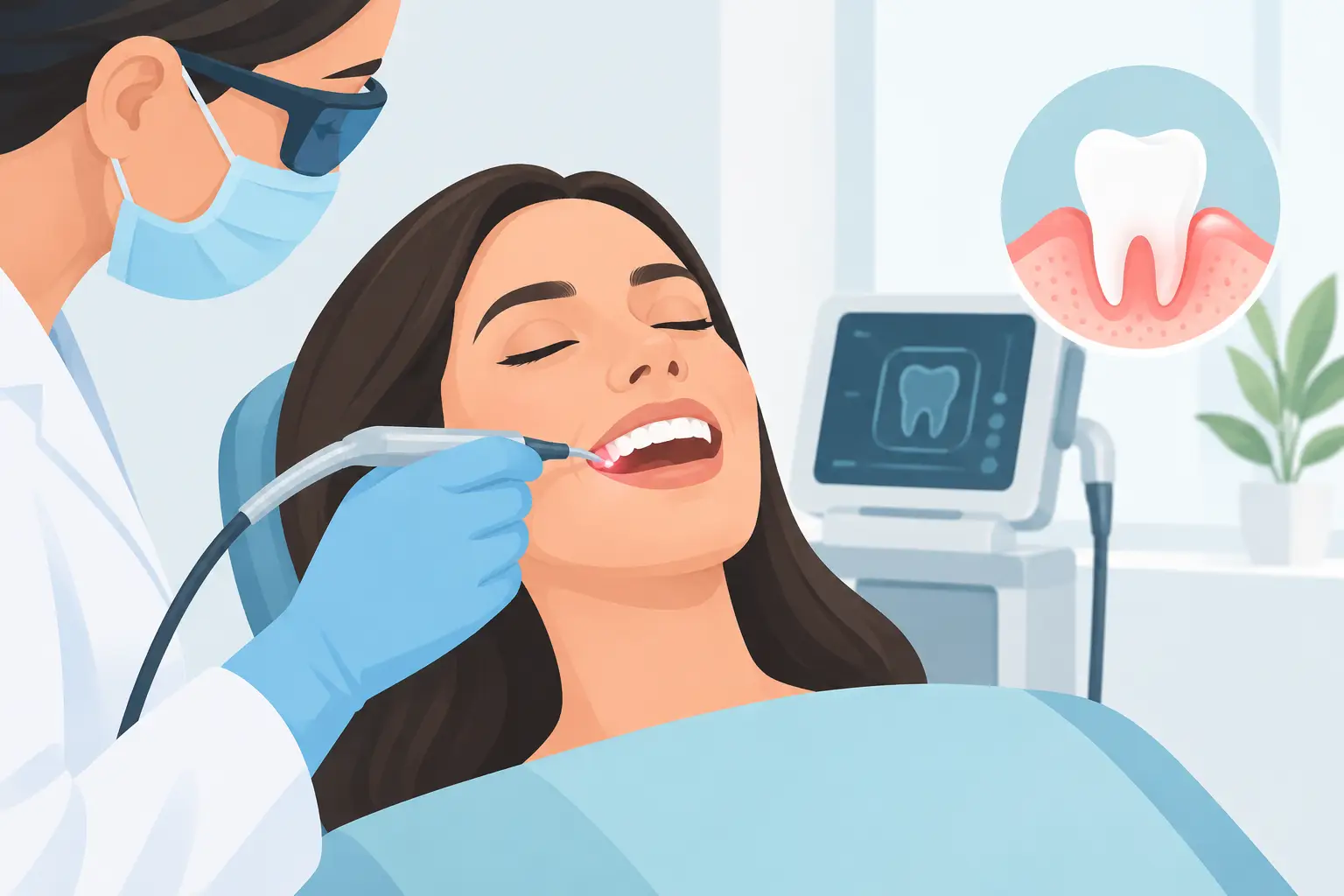
Laser periodontal therapy uses a focused dental laser to treat areas affected by gum disease. During treatment, the laser may be used to reduce bacteria in periodontal pockets and remove diseased or inflamed tissue around the teeth. This can be paired with thorough cleaning below the gumline, where plaque and hardened tartar can collect beyond the reach of a toothbrush.
The goal is not to replace good home care or routine professional cleanings. The goal is to help control infection, reduce inflammation, and create healthier conditions for the gums to heal and reattach more closely around the teeth when possible.
Unlike a one-size-fits-all procedure, laser treatment is carefully planned around the depth of periodontal pockets, the amount of bone support present, the extent of inflammation, and your long-term oral health goals. At Newport Beach Dentistry, periodontal care is approached as part of your overall dental health, not as an isolated concern.
Why Gum Disease Needs Timely Care
Periodontal disease often develops quietly. It begins when bacterial plaque remains along and beneath the gumline. The body’s inflammatory response can cause gums to become red, tender, swollen, or prone to bleeding. Without treatment, the infection may progress deeper, creating pockets between the teeth and gums and eventually contributing to bone loss.
Many people assume bleeding gums are normal, especially if they brush aggressively. They are not. Bleeding is a signal worth evaluating, particularly when it occurs regularly or is accompanied by bad breath, gum recession, tooth sensitivity, or teeth that feel loose.
Early gum disease may often be managed with improved home hygiene and professional cleanings. More advanced disease commonly requires scaling and root planing, a deep-cleaning procedure that removes buildup from tooth roots below the gumline. Laser therapy may be recommended alongside these treatments in appropriate cases.
Potential Benefits of Laser Periodontal Therapy
Patients often ask whether laser treatment is less invasive than traditional approaches. In some situations, it can allow the dentist to target infected tissue more selectively than conventional surgical techniques. Depending on the specific laser and your clinical needs, this may mean less disruption to healthy surrounding tissue.
Some patients experience less bleeding, swelling, and post-treatment discomfort compared with certain traditional gum procedures. Healing can also feel more manageable for some individuals. However, outcomes vary. The severity of periodontal disease, smoking or vaping, diabetes, immune health, medications, and home care habits all affect healing.
Laser treatment also has practical value in a comprehensive periodontal plan. By helping reduce bacterial levels in deep pockets, it may support the body’s healing response after cleaning. It does not eliminate the need for periodontal maintenance visits, but it can be a useful tool in keeping disease under control over time.
Comfort Is Important, but So Is Precision
A laser is not automatically the best solution simply because it is advanced technology. The most appropriate treatment is the one that effectively addresses the infection while protecting your teeth, gums, and bone support. In some cases, scaling and root planing alone may be sufficient. In others, laser therapy, medication, gum surgery, or referral for specialty periodontal care may be appropriate.
Your dentist should explain why a particular approach is being recommended, what results are realistic, and what ongoing care will be required. Clear guidance matters, especially for patients who feel anxious about dental treatment or have put off visits because of fear.
What to Expect During Treatment
Before recommending laser periodontal therapy, your dental team will perform a detailed periodontal evaluation. This typically includes measuring the spaces between the gums and teeth, checking for bleeding and recession, reviewing digital X-rays to assess bone levels, and evaluating plaque buildup and bite forces.
If laser therapy is appropriate, the area is usually numbed for comfort. The dentist uses a thin laser fiber to access the periodontal pocket and treat infected tissue and bacteria. Deep cleaning of the root surfaces may also be completed to remove tartar and bacterial deposits. The exact sequence depends on the technique used and the condition of your gums.
Appointments can vary in length. Localized treatment may be completed relatively quickly, while more extensive disease may require multiple visits. Afterward, you may be advised to follow a gentle oral hygiene routine for a short period, avoid foods that could irritate healing tissues, and return for follow-up care.
Mild tenderness or sensitivity can occur after any periodontal treatment. Your dental team will provide instructions based on your procedure and medical history. Contact the office promptly if you have increasing pain, persistent swelling, fever, or any concern during recovery.
The Long-Term Step That Protects Your Results
Successful periodontal treatment is a partnership. Laser therapy can address active infection, but bacteria begin returning to the mouth quickly. Daily brushing, cleaning between the teeth, and consistent professional maintenance are essential to preserving healthier gums.
Patients with a history of gum disease often benefit from periodontal maintenance visits more often than the standard twice-yearly schedule. These visits allow your dental team to monitor pocket depths, remove buildup in areas that are difficult to clean at home, and identify changes before they become more serious.
Lifestyle factors matter, too. Tobacco use can significantly reduce the body’s ability to heal and increases the risk of recurrent periodontal disease. Keeping diabetes well controlled, staying hydrated, and maintaining a balanced diet can also support oral health. If you clench or grind your teeth, a protective appliance may be recommended to reduce stress on teeth that have lost some periodontal support.
Who May Be a Candidate?
Laser periodontal therapy may be considered for adults with moderate to advanced gum disease, persistent inflammation after deep cleaning, or periodontal pockets that require additional treatment. It may also appeal to patients who are concerned about the recovery associated with traditional gum surgery.
Still, candidacy is individual. Severe bone loss, complex tooth anatomy, certain medical conditions, or disease that does not respond to conservative treatment may call for another approach. A laser should never be presented as a shortcut or a cure. Periodontal disease is a chronic condition for many patients, and managing it well requires ongoing attention.
The encouraging news is that timely, personalized care can help many people stabilize their gum health and keep their natural teeth for years to come. If you have noticed bleeding gums, changes in your bite, or breath that does not improve with brushing, a periodontal evaluation can provide answers and a clear path forward.
Healthy gums are the foundation of a healthy smile. Taking action when the first signs appear can make treatment simpler, protect your comfort, and give your teeth the support they need for the future.