That sharp jolt from a sip of iced water or a bite of something sweet can make even simple meals stressful. If you are wondering how to stop tooth sensitivity, the answer starts with identifying what is exposing or irritating the sensitive parts of your teeth. Some cases improve with a few changes at home, while others need professional treatment to protect the tooth and prevent a larger problem.
Tooth sensitivity is common, but it is not something you need to simply tolerate. A personalized dental evaluation can help distinguish temporary sensitivity from signs of enamel wear, gum recession, decay, or a cracked tooth.
What tooth sensitivity is telling you
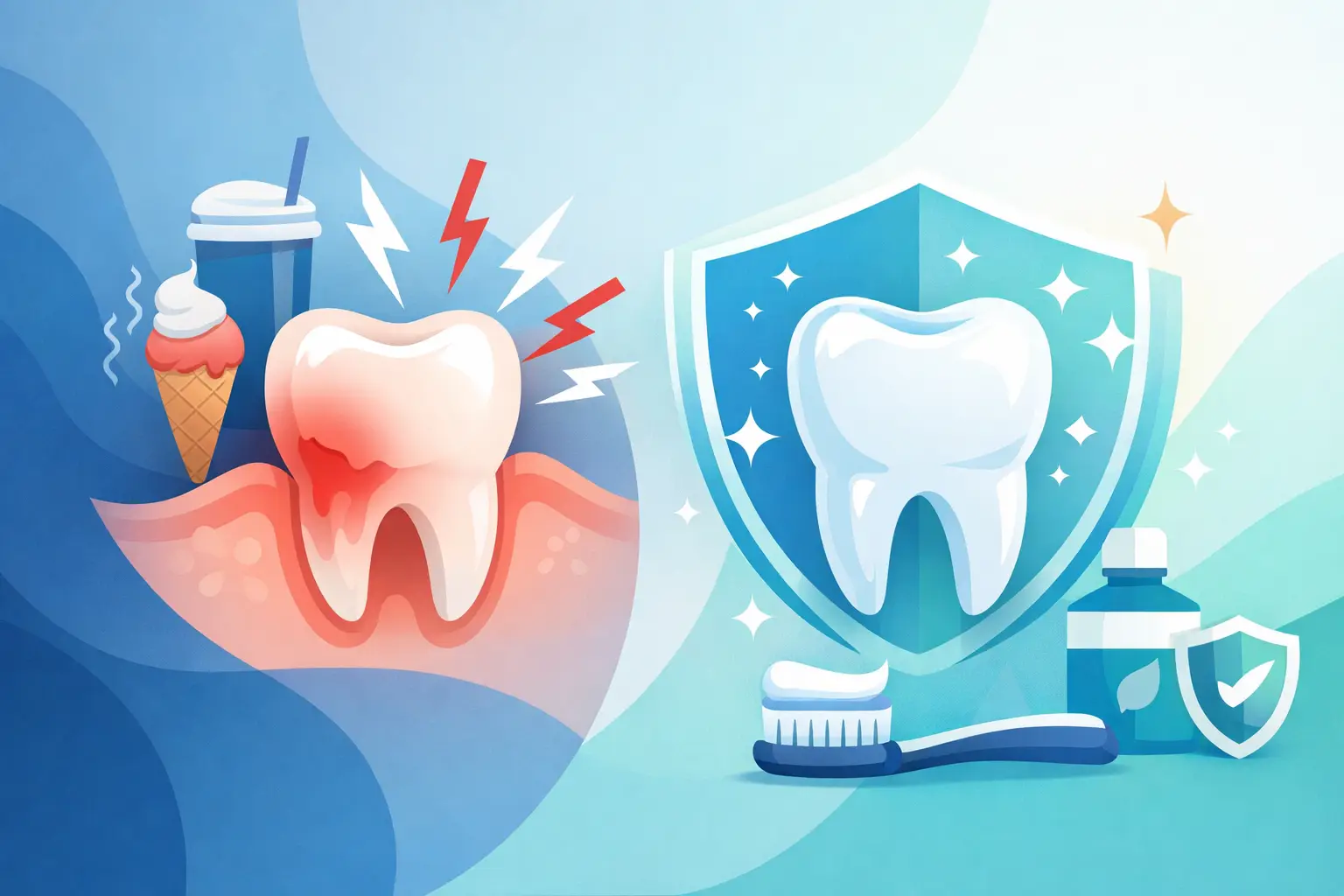
Most sensitivity occurs when dentin, the layer beneath your enamel, becomes exposed. Dentin contains tiny channels that lead toward the nerve inside the tooth. When a cold drink, hot food, sweet snack, or even cool air reaches those channels, it can trigger a quick, sharp sensation.
The feeling may affect one tooth or several. It may come and go, or it may gradually become more frequent. Sensitivity after whitening treatment or a recent dental procedure can be temporary. However, pain that is severe, persistent, or limited to one tooth deserves prompt attention. A cavity, fracture, loose filling, or infection can sometimes feel like ordinary sensitivity at first.
How to stop tooth sensitivity at home
For mild sensitivity, consistent oral care is often the first and most useful step. Relief is rarely immediate. Sensitive teeth need time for the protective ingredients in your toothpaste and for healthier brushing habits to make a difference.
Use a toothpaste made for sensitive teeth
Desensitizing toothpaste is designed to reduce the transmission of sensations through exposed dentin. Use it twice daily, brushing gently for two minutes. After brushing at night, spit out the excess toothpaste rather than rinsing aggressively with water, so the active ingredients can remain on your teeth longer.
It can take two to four weeks of regular use to notice meaningful improvement. If one formula does not help, your dentist may recommend a different active ingredient or a prescription-strength fluoride product.
Change how you brush
Brushing harder does not make teeth cleaner. In fact, forceful brushing, especially with a medium- or hard-bristled brush, can wear away enamel near the gumline and contribute to gum recession. Both problems can expose dentin.
Choose a soft-bristled toothbrush and use small, gentle circles rather than a back-and-forth scrubbing motion. Hold the brush at a slight angle toward the gumline. An electric toothbrush with a pressure sensor can also be helpful for people who tend to brush too aggressively.
Be mindful of acidic foods and drinks
Coffee, citrus, wine, soda, sports drinks, sparkling beverages, and vinegar-based foods can soften enamel temporarily. You do not have to eliminate every acidic food, but frequent sipping and snacking increase the amount of acid exposure your teeth receive.
Try having acidic drinks with a meal rather than sipping them for hours. Drinking plain water afterward helps rinse away acids. Wait about 30 minutes before brushing after consuming acidic foods or drinks, since brushing softened enamel right away can increase wear.
Pause whitening products if sensitivity starts
Whitening strips, gels, and trays can cause short-term sensitivity, particularly when used too frequently or left on too long. Stop treatment if discomfort develops and speak with your dentist before resuming. A professionally supervised whitening plan can often provide a brighter smile with better control over sensitivity.
Common causes and the treatments that help
The best treatment depends on the reason your teeth are sensitive. A thorough exam, digital X-rays when appropriate, and an evaluation of your bite and gum health can reveal what is happening below the surface.
Gum recession and periodontal concerns
When gums recede, tooth roots become exposed. Roots do not have the same protective enamel coating as the visible part of the tooth, so they can be especially sensitive to cold and touch. Recession may result from gum disease, aggressive brushing, thin gum tissue, teeth grinding, or natural changes over time.
Treatment may include a professional cleaning, periodontal therapy, fluoride application, or bonding to cover exposed root surfaces. In more advanced cases, gum grafting may be considered to protect the root and improve comfort. Addressing gum inflammation early can preserve the foundation of your smile.
Enamel erosion or worn teeth
Acid exposure, nighttime grinding, clenching, and years of normal wear can thin enamel. Some people also experience erosion related to frequent reflux. The treatment may involve desensitizing products, fluoride varnish, a custom night guard, or restorative dentistry to rebuild and protect worn areas.
If grinding is contributing to sensitivity, a store-bought guard may not fit correctly or protect your bite evenly. A custom-made appliance is designed around your teeth and can provide more reliable protection.
Cavities, cracks, and failing dental work
Sensitivity to sweets, pain when biting, or discomfort that lingers after hot or cold foods can point to decay, a crack, or a worn filling or crown. These issues do not resolve with sensitive toothpaste alone. Depending on the diagnosis, treatment may include a filling, crown, root canal treatment, or replacement of an older restoration.
This is why it is wise not to assume that a sensitive tooth is harmless, especially if the symptom is new or getting worse. Early treatment is often simpler, more comfortable, and more conservative.
Sensitivity after dental treatment
It is possible to notice temporary sensitivity after a filling, crown placement, deep cleaning, or whitening. Teeth and surrounding tissues can need time to settle after treatment. Your dentist can tell you what recovery should feel like and when discomfort should improve.
Call the office if pain increases instead of decreases, prevents you from chewing, wakes you at night, or lasts longer than expected. Those changes may indicate that the tooth or bite needs to be reassessed.
When to schedule a dental visit
Schedule an evaluation if sensitivity lasts more than a few weeks despite gentle brushing and desensitizing toothpaste. You should also be seen sooner if you have swelling, a bad taste in your mouth, fever, a chipped tooth, spontaneous pain, or pain that lingers after heat or cold.
For families in Newport Beach, Newport Beach Dentistry can evaluate sensitivity with a comfort-focused, personalized approach. Advanced diagnostic tools help identify concerns that may not be visible during a quick look, while treatment recommendations are tailored to your symptoms, oral health, and long-term goals.
Protect your teeth from future sensitivity
Prevention is often less about a single product and more about small habits practiced consistently. Keep regular preventive visits, brush with a soft brush, clean between teeth daily, and ask your dentist if you show signs of grinding or gum recession. If you have frequent acid reflux, dry mouth, or a diet that includes many acidic drinks, mention it during your appointment so your dental care can account for those factors.
Sensitivity can be your teeth’s early warning system. Listening to it now, rather than waiting for the pain to become harder to ignore, gives you the best opportunity to stay comfortable and keep your natural smile healthy for years to come.