A cavity rarely starts with a dramatic toothache. It often begins as a small area where plaque bacteria repeatedly feed on sugars and starches, producing acids that pull minerals from enamel. The good news is that many of the habits that lower this risk are simple, practical, and effective for children and adults alike.
If you are wondering how to prevent cavities naturally, begin by thinking beyond whether you eat sweets. Cavity prevention is shaped by how often teeth are exposed to acids, how well plaque is removed, the strength of your enamel, and the protective role of saliva. Natural strategies can make a meaningful difference, but they work best alongside evidence-based preventive care rather than in place of it.
How to Prevent Cavities Naturally Starts With Daily Habits
Your mouth has a built-in repair process. After you eat or drink, oral bacteria create acids that temporarily soften enamel. Saliva helps rinse away food particles, neutralize acids, and return minerals to the tooth surface. Frequent snacking or sipping sweetened drinks keeps that acidic cycle going before teeth have time to recover.
Try to keep meals and snacks more defined instead of grazing throughout the day. Water is the best everyday drink between meals. Even drinks that seem healthy, such as juice, sports drinks, sweetened coffee, and flavored sparkling water, can expose teeth to sugar or acid. If you choose them, having them with a meal is generally kinder to enamel than sipping them over several hours.
Brushing twice daily removes the sticky plaque film where cavity-causing bacteria thrive. Use a soft-bristled toothbrush and gentle, small motions along the gumline and every tooth surface. Brushing too aggressively does not make teeth cleaner and can irritate gums or wear exposed root surfaces.
Cleaning between teeth once a day matters just as much. Floss, interdental brushes, or a water flosser can help remove plaque where a toothbrush cannot reach. The right choice depends on the spacing of your teeth, dental work, dexterity, and personal comfort. The best tool is the one you can use thoroughly and consistently.
Choose Foods That Support Teeth, Not Just Avoid Sugar
No single food prevents cavities. A tooth-friendly eating pattern, however, reduces the fuel available to plaque bacteria and supports saliva production and overall health.
Crunchy vegetables, fresh fruit, cheese, plain yogurt, nuts, and protein-rich foods can be satisfying choices that do not cling to teeth the way crackers, chips, cookies, and dried fruit often do. Sticky foods are not automatically off-limits, but they deserve extra attention because they can remain in grooves and between teeth. Rinsing with water afterward and cleaning thoroughly before bed can help.
Calcium- and phosphorus-containing foods support healthy teeth as part of a balanced diet. Dairy products, fortified alternatives, leafy greens, beans, fish, and eggs may all contribute useful nutrients. Vitamin D also helps the body use calcium effectively. If you have dietary restrictions, a physician or dental professional can help you make choices that fit your needs rather than relying on supplements alone.
It is also useful to focus on frequency, not perfection. Eating a dessert with dinner is usually less harmful than repeatedly reaching for small sugary snacks throughout the afternoon. The same principle applies to naturally occurring sugars in juice, honey, and dried fruit. “Natural” does not always mean non-cavity-causing.
Use Water and Saliva to Your Advantage
A dry mouth increases cavity risk because saliva is one of the mouth’s strongest defenses. Common causes include dehydration, mouth breathing, certain medications, medical conditions, and tobacco or cannabis use.
Drink plain water regularly, especially after meals. Chewing sugar-free gum can stimulate saliva for many people, particularly after eating when brushing is not convenient. Gum sweetened with xylitol may offer an additional benefit because oral bacteria do not use xylitol as easily as sugar. Keep xylitol products securely away from dogs, for whom xylitol can be highly toxic.
If your mouth feels persistently dry, do not simply accept it as normal. A dental exam can help identify contributing factors and protect areas that may be more vulnerable to decay.
Fluoride Is Part of Safe, Natural Cavity Prevention
Some people use the word “natural” to mean avoiding fluoride. That approach can leave teeth less protected, particularly for people with a history of cavities, dry mouth, braces, gum recession, or frequent sugar exposure.
Fluoride is a naturally occurring mineral that strengthens enamel and helps early mineral loss repair before a cavity forms. For most patients, brushing with fluoride toothpaste twice daily is one of the most reliable ways to prevent decay. After brushing, spit out the excess toothpaste rather than rinsing thoroughly with water, so a small amount of fluoride remains on the teeth.
Young children need help with brushing and the correct amount of toothpaste. A rice-grain-sized smear is appropriate for children under age 3, while children ages 3 through 6 generally use a pea-sized amount. They should be supervised to minimize swallowing. Your dentist can give personalized advice based on a child’s cavity risk and local water fluoride levels.
For patients at higher risk, a dentist may recommend prescription-strength fluoride toothpaste, fluoride varnish, or other protective treatments. These are not signs that you have failed at home care. They are targeted tools that can prevent more extensive, costly treatment later.
Be Careful With Home Remedies
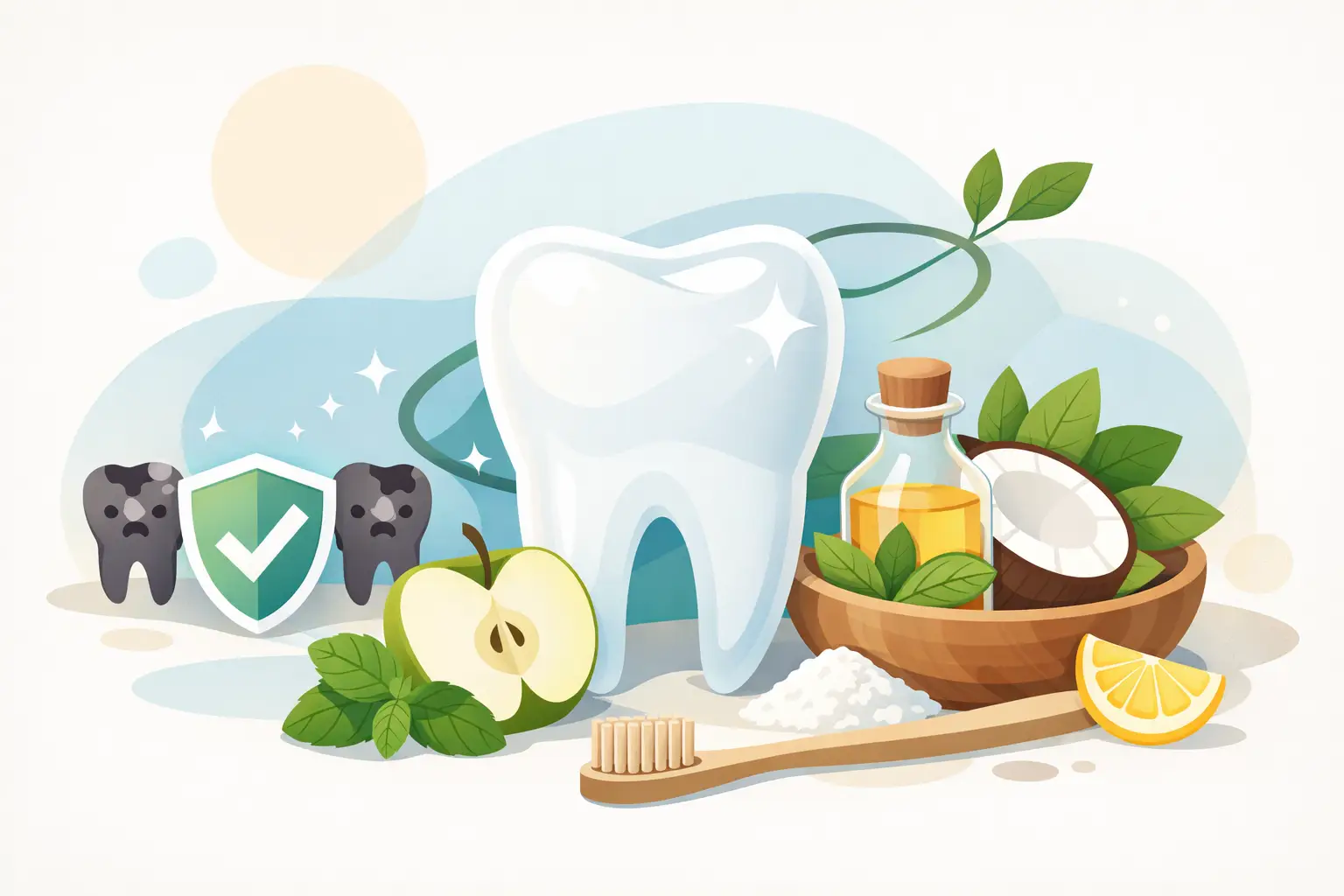
Social media is full of promises to “heal” cavities with oil pulling, charcoal toothpaste, coconut oil, supplements, or restrictive diets. Some practices may feel pleasant or help freshen breath, but they should not be mistaken for proven cavity treatment.
Oil pulling does not replace brushing, flossing, or professional cleanings. Charcoal toothpaste can be abrasive and may not contain fluoride. Acidic DIY rinses, including lemon or vinegar mixtures, can soften enamel. Baking soda may help neutralize acids in some products, but it does not replace fluoride or remove plaque by itself.
The key distinction is between early demineralization and a true cavity. An early white spot may sometimes be stabilized or remineralized with improved hygiene, fluoride, and dietary changes. Once decay has created a hole in the tooth, it cannot grow back naturally. Waiting can allow the decay to reach deeper layers of the tooth, where treatment may require a filling, crown, root canal treatment, or extraction.
Dental Visits Make Prevention More Personal
Even excellent home care cannot always reach deep grooves, crowded areas, old restorations, or the space below the gumline. Regular exams and professional cleanings allow your dental team to spot changes early, often before discomfort begins. Digital X-rays can reveal decay between teeth that is not visible in a mirror, while an intraoral camera can help you see what your dentist sees.
Prevention should be customized. A child with newly erupted molars may benefit from sealants that protect deep chewing grooves. An adult with gum recession may need help protecting exposed roots. Someone with Invisalign, braces, implants, crowns, or a dry-mouth medication may need a different routine altogether. At Newport Beach Dentistry, personalized preventive planning considers your health history, habits, comfort, and long-term goals.
When to Schedule an Exam Soon
Do not wait for severe pain if you notice tooth sensitivity to cold or sweets, a rough spot you can feel with your tongue, food repeatedly catching in one area, a dark spot, a broken filling, or bleeding and swollen gums. These symptoms do not always mean a cavity, but they deserve professional evaluation.
For families, remember that cavity prevention begins when the first tooth appears. Parents can wipe infants’ gums after feedings, avoid putting a child to bed with a bottle containing milk or juice, and help children brush until they have the coordination to do it well on their own. Usually, that is closer to age 7 or 8 than many parents expect.
A healthy smile is not built through one perfect meal or one expensive product. It is built through small choices repeated over time: water more often, less frequent sugar exposure, careful plaque removal, fluoride when appropriate, and dental care before a small concern becomes a larger one.