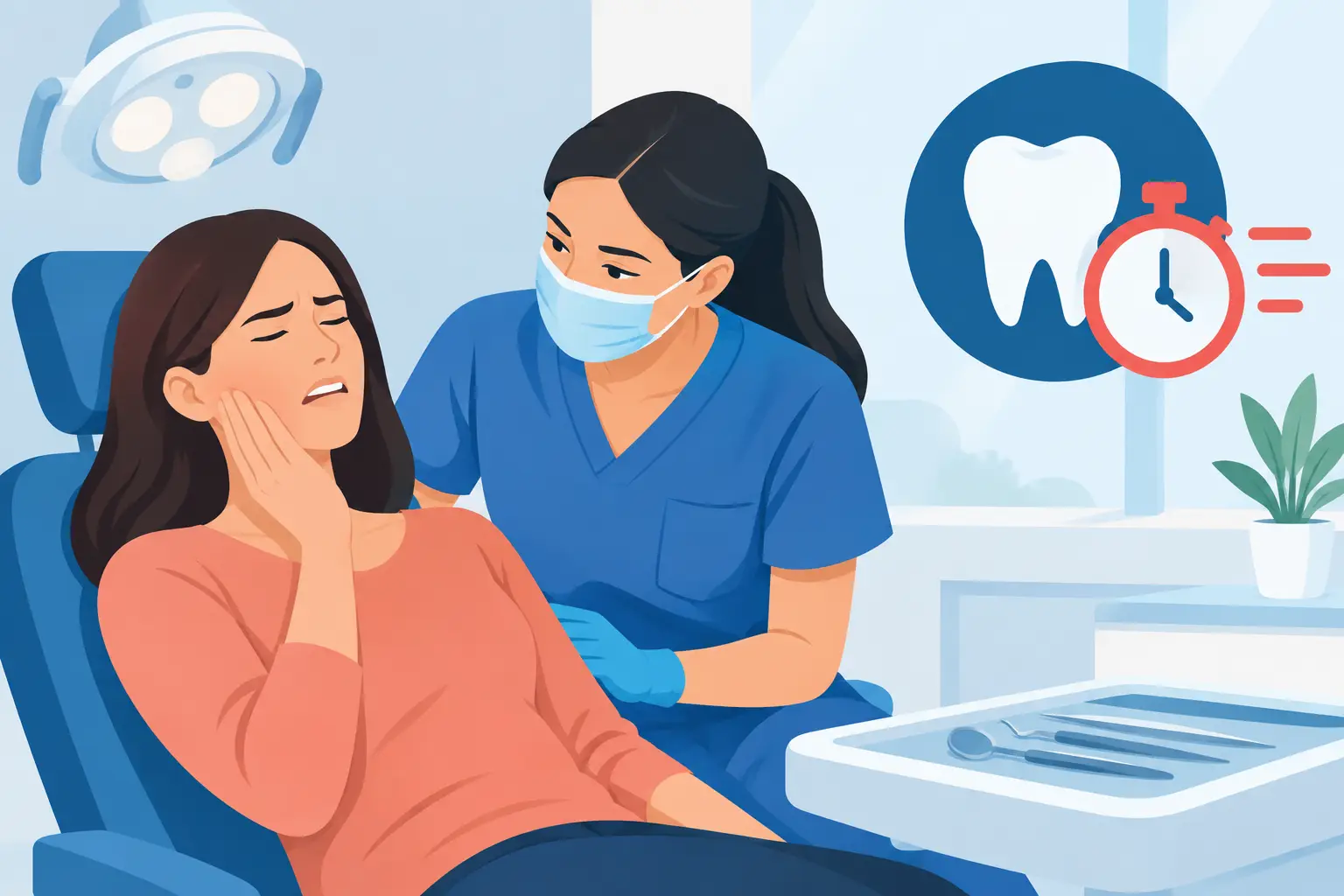
A cracked tooth during dinner, a child’s knocked-out tooth at practice, or a throbbing toothache that keeps you awake can turn an ordinary day into a stressful one. Emergency dental care is designed for these moments: to relieve pain, control infection, protect damaged teeth, and help prevent a smaller problem from becoming a more complicated one.
The first priority is your safety. Severe facial trauma, uncontrolled bleeding, trouble breathing or swallowing, or swelling that affects the eye, neck, or airway requires immediate medical attention. For urgent dental problems that do not threaten your overall safety, prompt evaluation by a dentist can often make a meaningful difference in the outcome.
When Emergency Dental Care Is Needed
Not every dental concern requires a same-day visit, but it can be difficult to judge the difference when you are in pain. A good rule is to seek urgent dental attention when there is significant pain, visible injury, swelling, infection, or a change in how your teeth fit together.
A severe toothache is one of the most common reasons patients seek care. Constant, pulsing pain, sensitivity that lingers after hot or cold foods, pain when biting, or pain accompanied by swelling may point to a deep cavity, cracked tooth, gum infection, or an abscess. Pain medication may provide temporary relief, but it does not address the source of the problem.
A broken, cracked, or chipped tooth may also need immediate attention, especially when a sharp edge is cutting the tongue or cheek, the tooth is painful, or a large portion has broken away. A small chip is not always an emergency, but prompt care can protect the tooth from further fracture and restore its appearance.
A tooth that has been completely knocked out is especially time-sensitive. The best chance of saving the tooth is often within the first hour. A loose tooth after an injury should also be evaluated quickly, even if it appears to settle back into place.
Other situations that warrant urgent care include a lost filling or crown causing pain, a broken denture that interferes with eating, bleeding gums that will not stop, and swelling or a pimple-like bump on the gums. An abscess should never be ignored. Dental infections can spread beyond the tooth and require timely treatment.
What to Do Before You Reach the Dentist
The steps you take at home can help reduce discomfort and protect the injured area until you are seen. Stay calm, avoid chewing on the affected side, and contact a dental office as soon as possible to explain what happened and when symptoms began.
For a toothache, rinse gently with warm salt water to clear debris and soothe irritated tissue. Floss carefully around the painful tooth in case trapped food is contributing to the discomfort. Use a cold compress against the outside of the cheek for swelling. Do not place aspirin directly on the gums or tooth, as it can irritate and burn soft tissues.
If a tooth has chipped or broken, save any pieces you can find. Rinse your mouth with warm water and cover a sharp edge with dental wax, if available, to protect your cheek or tongue. Avoid very hot, cold, sweet, or hard foods until the tooth has been examined.
For a knocked-out permanent tooth, handle it only by the crown, which is the part normally visible above the gumline. Do not touch or scrub the root. If the tooth is dirty, rinse it briefly with milk or clean water. If possible, gently place it back in the socket and have the patient bite softly on gauze. If reinsertion is not possible, keep the tooth moist in milk or a tooth preservation solution. Seek care immediately.
For a lost crown, keep the crown in a clean container and bring it with you. Avoid using household glue to reattach it. Temporary dental cement may be appropriate in some circumstances, but a dentist should advise you before you attempt a repair.
Why Prompt Treatment Can Save a Tooth
Dental problems rarely improve simply because the pain fades. In fact, a toothache that suddenly stops can sometimes mean the nerve inside the tooth has been damaged or has died, while infection remains active below the surface. Early treatment gives your dentist more options to preserve natural tooth structure and reduce the need for extensive restorative care.
Depending on the diagnosis, treatment may involve smoothing and bonding a chipped tooth, replacing a filling or crown, draining an infection, prescribing medication when clinically appropriate, performing root canal treatment, stabilizing a loose tooth, or extracting a tooth that cannot be saved. The right treatment depends on the cause, the extent of damage, your medical history, and the long-term health of your smile.
Modern diagnostic tools can make urgent appointments more precise and comfortable. Digital X-rays help identify infection, fractures, decay, and changes below the gumline. Intraoral imaging allows patients to see what the dentist sees, making it easier to understand why a particular treatment is recommended. When anxiety is part of the emergency, a compassionate team can also discuss comfort-focused options and explain each step before treatment begins.
Dental Emergencies in Children Need a Different Approach
Parents are right to take mouth injuries seriously, particularly when they involve a front tooth, swelling, or a fall. However, the response differs depending on whether the tooth is primary or permanent.
If a baby tooth is knocked out, do not try to put it back into the socket. Reinserting it can damage the developing permanent tooth underneath. Call a dentist for guidance and have the child evaluated, especially if there is bleeding, a cut lip, a loose neighboring tooth, or concern about a head injury.
If a permanent tooth is knocked out, follow the handling instructions above and seek immediate care. For any child with facial trauma, watch for signs that need emergency medical assessment, such as loss of consciousness, vomiting, confusion, or difficulty breathing.
Managing Pain Safely Until Your Appointment
Over-the-counter pain relievers can be helpful when used according to the product label and your physician’s guidance. Ibuprofen or acetaminophen may be appropriate for many adults, but individual needs vary. Children require weight-based dosing, and patients with certain medical conditions, allergies, pregnancy, kidney disease, liver disease, stomach ulcers, or blood-thinning medications should ask a healthcare professional before taking medication.
Antibiotics are not a substitute for dental treatment. They may be needed for certain infections, but they cannot remove decay, repair a fracture, or resolve the source of an abscess on their own. Taking leftover antibiotics or someone else’s prescription can delay proper care and contribute to antibiotic resistance.
Keep your head elevated when resting if swelling or throbbing is present. Choose soft foods, drink water, and avoid smoking or alcohol, which can irritate tissues and interfere with healing. A cold compress used in short intervals can help limit swelling after an injury.
How to Reduce the Risk of Future Emergencies
Some emergencies are impossible to predict, but many are preventable. Routine exams allow your dentist to find weakening fillings, cracks, gum disease, and decay before they become painful. A custom night guard can help protect teeth from grinding, while a sports mouthguard can reduce the risk of traumatic injuries during contact and recreational activities.
Do not use teeth to open packages, crack nuts, cut thread, or hold objects. These habits place concentrated force on enamel and restorations. If you have a crown, bridge, implant, or denture, regular maintenance visits are equally valuable because small adjustments can prevent breakage and discomfort later.
At Newport Beach Dentistry, emergency visits are approached with the same personalized attention as every other appointment. The goal is not only to address the immediate concern, but also to help you understand the cause, your treatment options, and the best path toward lasting oral health.
If pain, swelling, injury, or a damaged tooth is disrupting your day, do not wait for it to become harder to treat. Call a dental professional promptly, protect the affected area, and let timely care give your smile the best chance to heal well.