
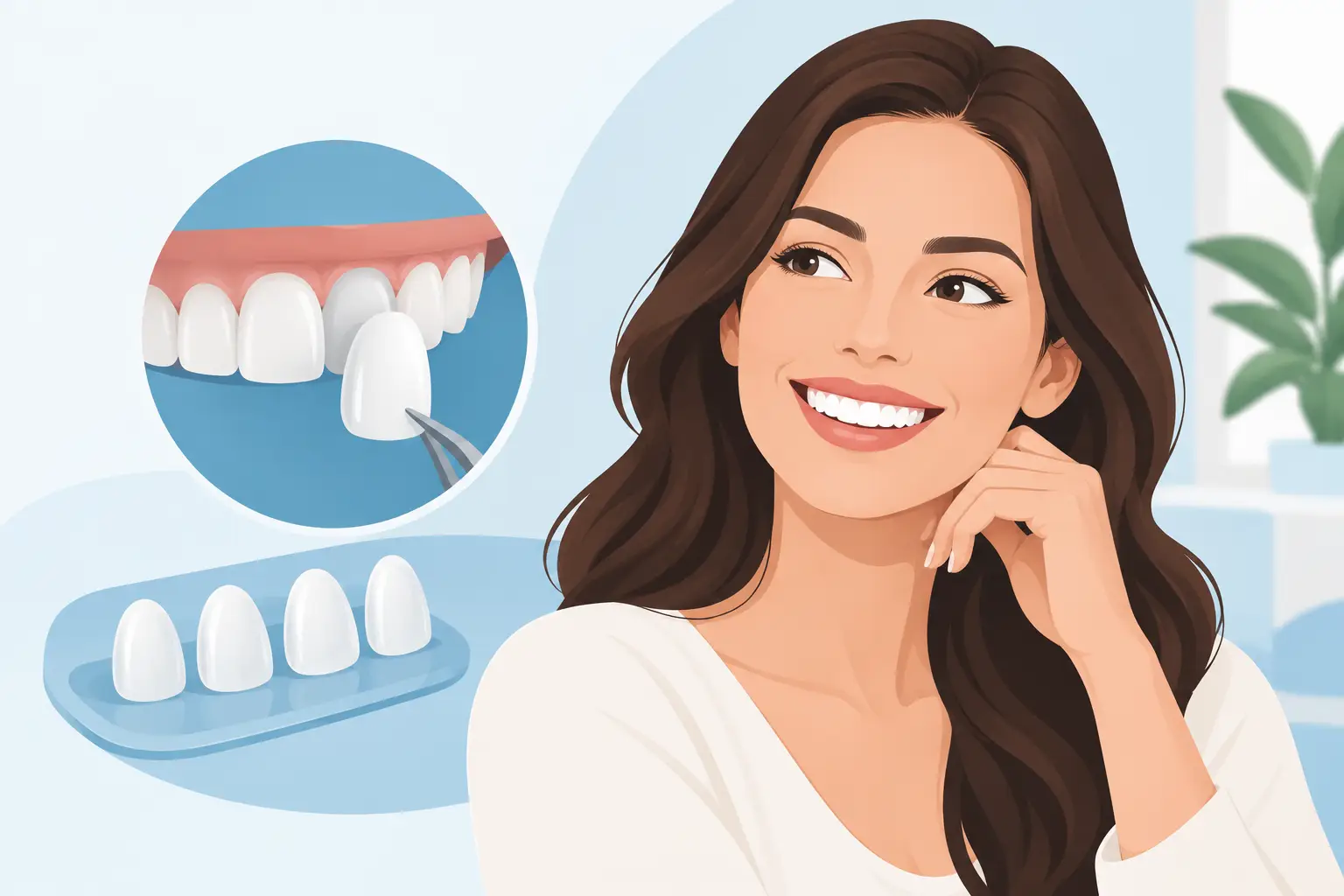
A chipped front tooth can change the way you smile in photos, speak in meetings, or greet someone new. Dental veneers offer a carefully planned way to improve the shape, color, and balance of visible teeth without changing the character of your smile. For the right patient, they can create a natural-looking result that feels polished, personal, and built to last.
At Newport Beach Dentistry, cosmetic treatment begins with listening. A beautiful smile is not one-size-fits-all. Your facial features, natural tooth color, bite, gumline, oral health, and goals all matter when determining whether veneers are the best choice.
What are dental veneers?
Veneers are thin, custom-made shells bonded to the front surfaces of teeth. They are most often made from high-quality porcelain, although composite resin veneers may be appropriate in certain situations. Porcelain is especially popular because it reflects light in a way that resembles natural enamel and resists stains better than composite material.
A veneer can change a tooth’s apparent color, length, width, or contour. When several veneers are planned together, they can also create more consistency across the smile. The goal is not to make every tooth look identical. It is to create proportion and harmony while preserving a believable, natural appearance.
Dental veneers are commonly considered for teeth with discoloration that does not respond well to whitening, small chips or worn edges, uneven spacing, mild shape differences, or minor alignment concerns. They can be an excellent cosmetic solution, but they do not replace healthy gums, stable teeth, or appropriate orthodontic treatment when more significant alignment issues are present.
Who is a good candidate for dental veneers?
The strongest candidates have generally healthy teeth and gums, sufficient enamel for bonding, and a clear understanding of what veneers can and cannot correct. A thorough examination helps identify concerns such as untreated decay, gum disease, active infection, or bite problems before cosmetic work begins. Addressing those conditions first protects both your health and the longevity of your investment.
Your bite deserves particular attention. Patients who clench or grind their teeth can still be candidates, but the treatment plan may include a custom nightguard to protect the veneers from excessive force. In some cases, orthodontic treatment may be a more conservative first step if teeth are significantly crowded, rotated, or positioned in a way that would require extensive reshaping.
Veneers may not be the ideal option when a tooth has a large filling, severe structural damage, or insufficient enamel. A crown, bonding, whitening, or another restorative treatment may offer a better long-term solution. The best recommendation is the one that supports both your appearance and your oral health, not simply the fastest cosmetic change.
Porcelain veneers versus composite bonding
Porcelain and composite bonding can both improve the appearance of a smile, yet they are different treatments with different advantages. Porcelain veneers are fabricated in a dental laboratory and bonded after they are precisely designed for your teeth. They are highly stain resistant, durable, and known for their lifelike translucency. With attentive care, porcelain veneers can often last 10 to 15 years or longer, though no restoration lasts forever.
Composite bonding is applied and shaped directly on the tooth. It usually requires less time and may cost less initially, making it useful for small chips, minor gaps, or limited cosmetic changes. However, composite is more likely to stain, wear, or chip over time and may need touch-ups sooner than porcelain.
The choice depends on the number of teeth involved, the degree of change you want, your bite, your budget, and your long-term expectations. During a cosmetic consultation, reviewing these trade-offs openly helps prevent surprises later.
What the veneer process involves
Veneer treatment is a detailed process, not a quick cosmetic shortcut. It begins with an examination and conversation about what you notice when you smile. Digital X-rays, photographs, and intraoral imaging may be used to evaluate your teeth and gums and plan changes with greater accuracy.
Next, your dentist considers the shape, shade, and proportions that will suit your smile. Some patients want a subtle refinement that looks like they were born with naturally even teeth. Others want a brighter, more dramatic change. Both approaches can be appropriate when the design is balanced with your facial features and preferences.
For traditional porcelain veneers, a small amount of enamel is usually prepared from the front of each treated tooth to create room for the porcelain. This step is conservative, but it is significant: because enamel does not grow back, traditional veneers are generally considered an irreversible treatment. In select cases, minimal-prep or no-prep veneers may be possible, although they are not right for every tooth or smile design.
After preparation, impressions or digital scans are used to create the final veneers. Temporary veneers may be placed while the permanent restorations are being crafted. At the final visit, each veneer is checked for fit, color, contour, and bite before it is permanently bonded. Small adjustments can make a meaningful difference in comfort and appearance, so this appointment should never feel rushed.
How natural will veneers look?
Well-designed veneers should not announce themselves. They should complement your lips, gums, facial proportions, and natural tooth structure. The most convincing results usually include subtle variation in translucency and shape rather than a flat, overly white appearance.
Shade selection is also personal. A bright smile can still look natural, but the ideal shade depends on your complexion, the color of surrounding teeth, and the look you prefer. If veneers will be placed on only a few teeth, matching nearby natural enamel is especially important. If whitening is part of your plan, it is often completed before the veneer shade is finalized because porcelain itself will not whiten later.
Caring for veneers over time
Veneers do not require complicated care, but they do require consistent care. Brush twice daily with a nonabrasive toothpaste, floss daily, and maintain routine dental cleanings and exams. Your natural teeth and gums remain vulnerable to decay and gum disease at the edges of veneers, so preventive visits are essential.
Avoid using your teeth as tools to open packages or hold objects. Biting hard items such as ice, pens, or fingernails can chip either natural enamel or porcelain. If you play contact sports, wear an athletic mouthguard. If you grind your teeth at night, a professionally made nightguard can protect your veneers and your natural dentition.
Coffee, tea, red wine, and other deeply colored foods are less likely to stain porcelain than natural enamel or composite resin, but they can still affect the appearance of untreated teeth. Regular hygiene visits help keep the entire smile looking consistent.
Questions to ask before moving forward
Before choosing veneers, ask what alternatives may meet your goals with less alteration to your teeth. Ask how much enamel preparation is anticipated, whether temporary veneers will be needed, and how your bite will be evaluated. It is also reasonable to discuss the expected lifespan of the restorations, future replacement needs, and whether a nightguard is recommended.
Cost is another practical part of planning. Veneers are a customized cosmetic treatment, and pricing can vary based on the material, number of teeth, complexity of the case, and any necessary preparatory care. A personalized consultation allows you to receive clear recommendations and understand your options before making a decision.
The right veneer treatment should leave you feeling informed, comfortable, and confident in the plan. A thoughtful evaluation can help you choose a smile improvement that looks beautiful now and supports your oral health for years ahead.