A mint may cover odor for a few minutes, but it cannot solve the condition creating it. If you are wondering what causes chronic bad breath, the answer is often more specific than simply not brushing enough. Persistent bad breath, also called halitosis, can be a sign of bacterial buildup, gum disease, dry mouth, a dental infection, or less commonly, a medical concern that deserves attention.
Bad breath that returns soon after brushing, flossing, eating, or using mouthwash is worth discussing with a dentist. The goal is not to mask the odor. It is to identify where it starts and create a comfortable, personalized plan to treat the cause.
What Causes Chronic Bad Breath in Most Patients?
The mouth contains many types of bacteria. Some are harmless, while others feed on food particles, dead cells, and proteins in the mouth. As these bacteria break down material, they can release sulfur-containing compounds with an unpleasant odor.
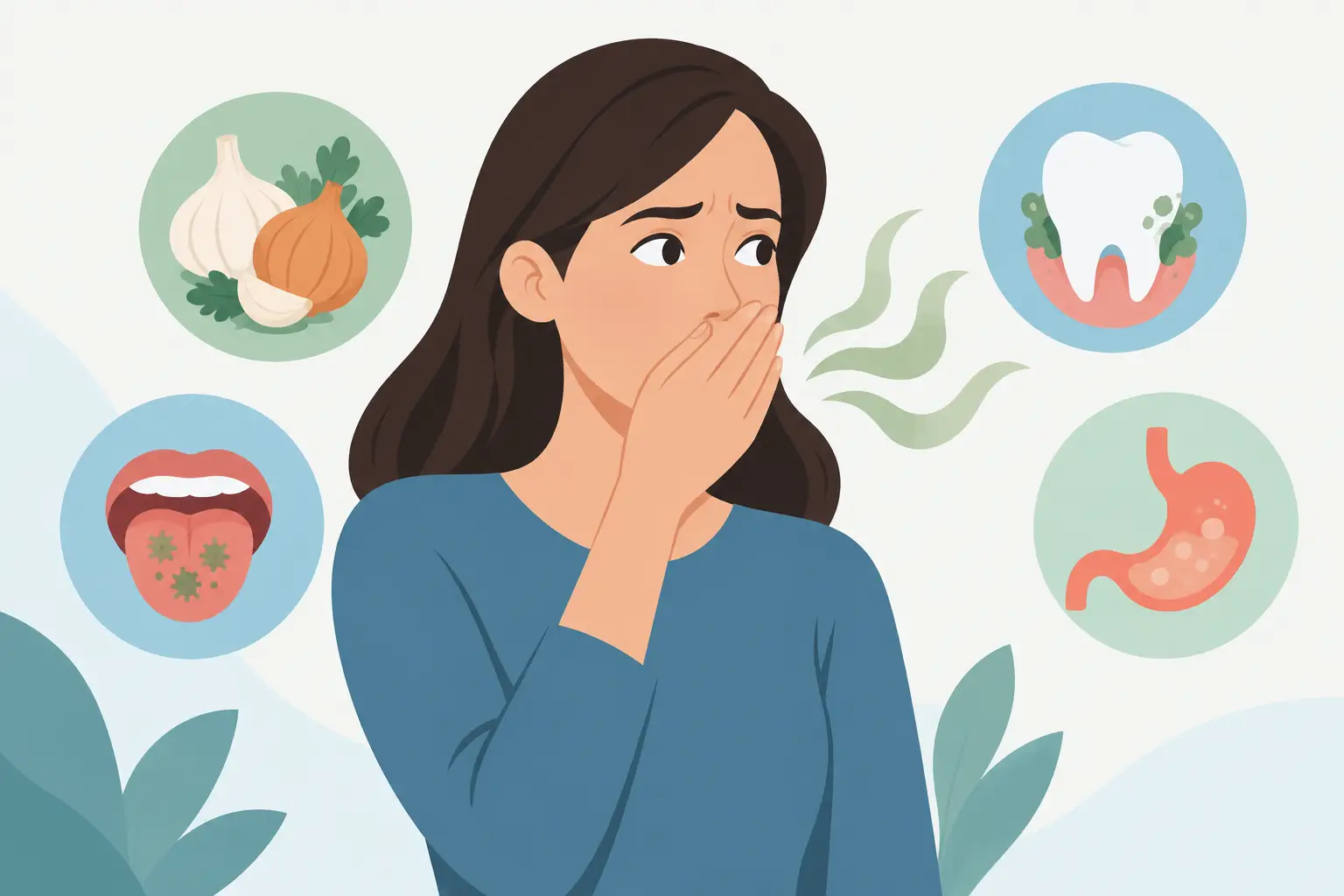
A temporary smell after garlic, coffee, or a skipped brushing session is common. Chronic bad breath is different. It tends to persist for weeks or months, often despite regular use of toothpaste, gum, or mouthwash. In many cases, the source is inside the mouth, especially on the tongue or below the gumline.
Tongue Coating and Bacterial Buildup
The back portion of the tongue has tiny grooves that can trap bacteria, food debris, and dead cells. A white, yellow, or uneven coating may develop there, particularly when someone is dehydrated, has dry mouth, or does not clean their tongue regularly.
Brushing teeth alone does not always remove this buildup. A gentle tongue scraper or toothbrush can help, but ongoing odor may indicate that bacteria are also collecting around the gums, between teeth, or in areas that are difficult to clean at home.
Gum Disease
Gum disease is one of the most common dental causes of persistent bad breath. Early gum disease, called gingivitis, may cause bleeding while brushing, redness, tenderness, or swollen gums. As it progresses to periodontitis, bacteria can collect in deeper spaces between the teeth and gums called periodontal pockets.
These bacteria and the inflamed tissue around them can create a noticeable odor. Some patients have gum disease without significant pain, so bad breath or bleeding gums may be the first sign that something needs attention. Professional periodontal treatment can remove hardened deposits and bacteria that brushing and flossing cannot reach.
Cavities, Failing Restorations, and Dental Infections
Tooth decay can create areas where bacteria and food become trapped. A cavity may not hurt at first, but it can still contribute to an unpleasant smell or taste. The same can happen around old fillings, crowns, bridges, or dental work with worn edges that collect plaque.
A cracked tooth, abscess, or infection near the root of a tooth may also cause chronic bad breath. Warning signs can include a persistent bad taste, sensitivity to pressure, swelling, a pimple-like bump on the gums, or facial swelling. Dental infections should be evaluated promptly, even if discomfort comes and goes.
Dry Mouth
Saliva does more than keep the mouth comfortable. It rinses away food particles, helps control bacteria, and supports the mouth’s natural balance. When saliva flow is reduced, odor-causing bacteria have a better environment in which to grow.
Dry mouth can occur because of dehydration, mouth breathing, certain medications, alcohol use, tobacco use, stress, aging, or medical conditions that affect saliva production. It is especially common overnight, which helps explain why many people notice morning breath. If dry mouth continues throughout the day, it can increase the risk of cavities and gum problems as well as bad breath.
Simple changes, such as drinking water regularly and avoiding tobacco, may help some people. Others may need a dentist or physician to review medications, oral health risks, and options for managing chronic dry mouth.
Other Reasons Bad Breath Can Persist
Not every case begins with a cavity or gum disease. Certain habits, appliances, and health conditions can contribute, sometimes alongside an oral health issue.
Food odors from onions, garlic, and some spices can be temporary because odor-producing compounds may travel through the bloodstream and be released through the lungs. High-protein or very low-carbohydrate diets can also change breath odor for some people. However, food-related breath should improve after the food is processed and the mouth is cleaned.
Smoking and other tobacco products leave a distinct odor while also drying and irritating oral tissues. Over time, tobacco use increases the risk of gum disease and oral cancer, making regular dental examinations especially important.
Poorly cleaned dentures, retainers, clear aligners, night guards, and removable bridges can hold bacteria and plaque. These appliances should be cleaned according to your dentist’s instructions and removed when recommended. Wearing a retainer or denture overnight without proper cleaning can allow odor-causing buildup to grow quickly.
Mouth breathing from nasal congestion, allergies, or sleep habits can dry the mouth and worsen odor. Tonsil stones may also cause a recurring unpleasant smell or taste in some people. These small deposits can form in folds of the tonsils and may be associated with throat irritation or a sensation of something stuck in the throat.
Can Chronic Bad Breath Come From a Medical Condition?
Sometimes, yes, but mouth-related causes are generally the first place to look. If a thorough dental evaluation does not reveal an oral source, a dentist may recommend speaking with your primary care physician or another medical provider.
Sinus infections, chronic postnasal drip, reflux, uncontrolled diabetes, and certain respiratory or digestive conditions can affect breath odor. The particular smell alone cannot diagnose a condition, and internet remedies should never replace a professional evaluation. A coordinated approach is useful when symptoms point beyond the mouth.
Seek prompt medical or dental care if bad breath occurs with facial swelling, fever, severe tooth pain, trouble swallowing, difficulty breathing, unexplained weight loss, or a persistent sore or lump in the mouth.
Why Mouthwash Is Not Always the Answer
Mouthwash can be a helpful part of a daily routine, but it is not a cure for chronic bad breath. Cosmetic rinses mainly provide a temporary scent. Some antibacterial rinses may reduce certain bacteria, yet they cannot remove tartar below the gums, repair a cavity, or treat an infection.
Alcohol-containing rinses can also feel drying for some patients. The best rinse depends on the cause of the odor, your saliva flow, gum health, and any restorative work in your mouth. A dental team can recommend products that support your specific treatment plan instead of relying on trial and error.
How a Dentist Finds the Source of Bad Breath
An effective evaluation starts with listening. Your dentist may ask when the odor began, whether it changes during the day, what products you use, which medications you take, and whether you experience dry mouth, bleeding gums, reflux, congestion, or tooth sensitivity.
The examination may include checking the tongue, gums, teeth, restorations, and any appliances for plaque retention, decay, inflammation, or infection. Digital X-rays may be recommended when a concern is suspected below the surface, such as decay between teeth or bone loss related to gum disease.
Treatment depends on the findings. It may involve a professional cleaning, periodontal therapy, cavity treatment, replacement of a leaking restoration, treatment for an infected tooth, or practical dry-mouth strategies. When an appliance is involved, cleaning instructions or adjustments may make a meaningful difference.
What You Can Do at Home While Seeking Care
Consistent home care supports treatment, but it works best when the underlying issue is identified. Brush twice daily with fluoride toothpaste, clean between teeth every day, and gently clean your tongue. Drink water throughout the day, especially if you notice dryness, and clean removable dental appliances daily.
Avoid using breath mints as a substitute for care. Sugar-containing mints can feed cavity-causing bacteria, while frequent use of strongly flavored products may hide symptoms without improving oral health. If you smoke or use tobacco, reducing or quitting can improve breath, gum health, and overall wellness.
If someone close to you has mentioned your breath, or if you regularly notice a bad taste that returns after cleaning, schedule an exam rather than feeling embarrassed. At Newport Beach Dentistry, compassionate care begins with finding the real reason for the concern, then helping you move forward with a healthier, fresher-feeling smile.