A tooth can look longer for years before it causes pain, which is why gum recession is easy to overlook. The best treatments for receding gums depend on what caused the tissue to pull away from the tooth and whether bone loss, inflammation, sensitivity, or cosmetic concerns are also present. A personalized dental exam is the safest way to protect your smile before the problem progresses.
What receding gums can mean for your oral health
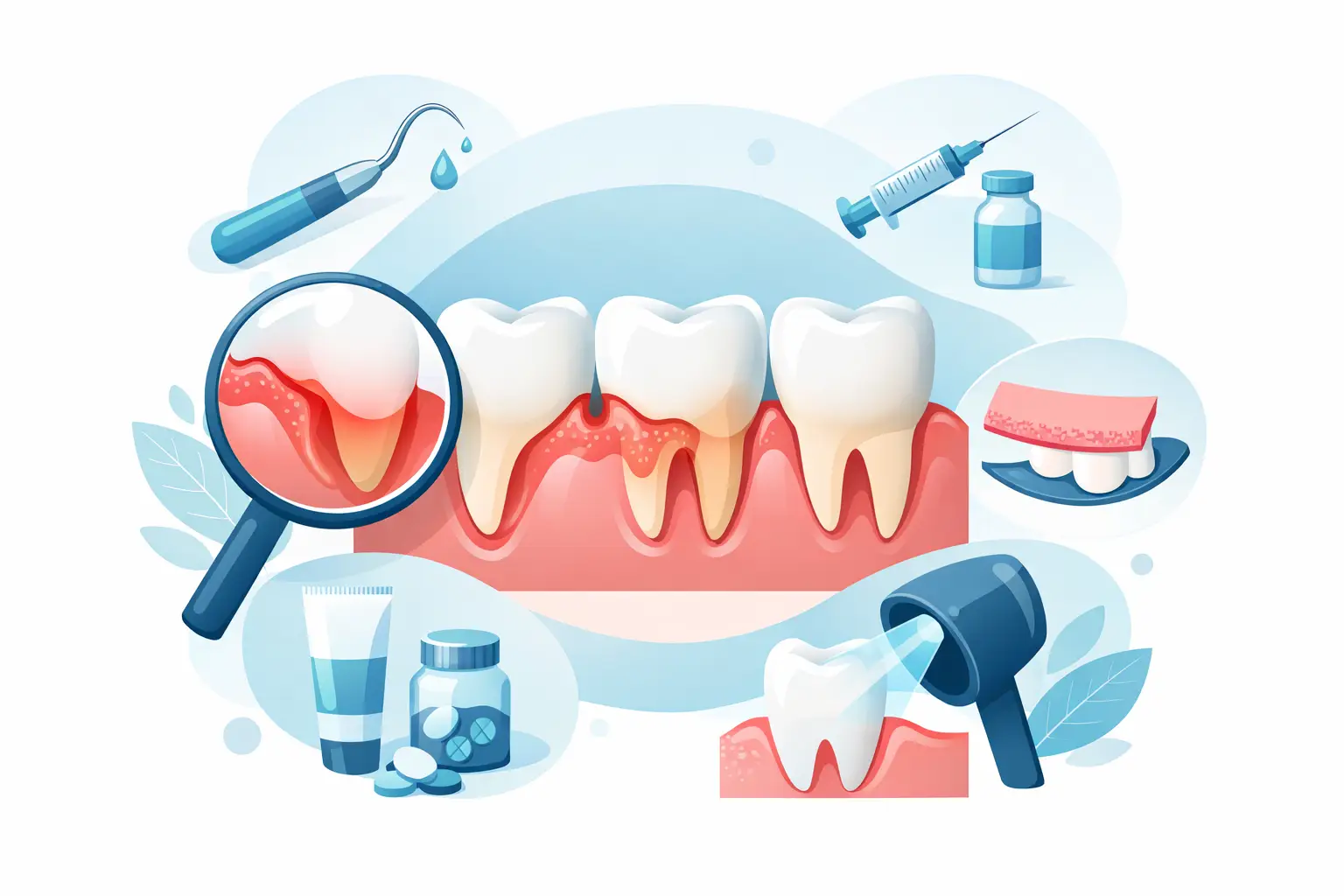
Gum recession occurs when the gumline moves down the root surface of a tooth. This may expose areas that were never meant to be in the oral environment. Because roots do not have the same protective enamel as crowns, exposed roots can become sensitive to cold, sweets, brushing, and temperature changes. They are also more vulnerable to root decay and wear.
Recession does not always mean you have active gum disease. Some people have naturally thin gum tissue, a prominent tooth root, or a history of orthodontic movement that leaves certain teeth more susceptible. Still, recession can be an important warning sign of periodontal disease, especially when it appears alongside bleeding gums, persistent bad breath, loose teeth, pus, or changes in bite.
Common contributors include plaque and tartar buildup below the gumline, brushing too aggressively, grinding or clenching, tobacco use, misaligned teeth, and inadequate flossing. Hormonal changes and certain health conditions can also affect gum tissue. Treating the cause matters as much as treating the visible recession.
The best treatments for receding gums begin with diagnosis
There is no single treatment that fits every patient. During a periodontal evaluation, your dentist measures the pockets between teeth and gums, assesses bleeding and inflammation, checks for exposed roots and tooth mobility, and may use digital X-rays to evaluate bone levels. Intraoral images can also help you see the areas being discussed and track changes over time.
This examination separates a stable, thin gumline from active periodontal disease. It also identifies habits that can undermine treatment. For example, gum grafting may improve coverage around a root, but continuing to scrub the area with a hard toothbrush can compromise the long-term result.
Professional cleaning and preventive care
For early recession without deep periodontal pockets, professional cleanings and improved home care may be the appropriate first step. Removing plaque and tartar reduces inflammation, allowing irritated gum tissue to become healthier and easier to maintain. While a routine cleaning cannot regrow lost gum tissue, it can help stop further deterioration.
Your dentist may recommend a soft-bristled toothbrush, gentle circular brushing at the gumline, daily flossing or interdental cleaning, and a low-abrasion toothpaste for sensitive teeth. A custom nightguard may be helpful when clenching or grinding is placing excessive pressure on teeth and gums.
Scaling and root planing for gum disease
When recession is connected to periodontal disease, a deeper cleaning called scaling and root planing is often recommended. Scaling removes hardened buildup from beneath the gums. Root planing smooths the root surface so bacteria and toxins are removed and the gum tissue has a better chance to heal and reattach.
This treatment is more thorough than a standard cleaning and is usually performed with local anesthetic for comfort. Ultrasonic instruments and other modern techniques can make the process efficient while allowing careful access to below-gum deposits. Some patients need treatment in more than one visit, followed by periodontal maintenance appointments every few months.
Scaling and root planing is highly valuable for controlling infection, but it does not reliably replace gum tissue that has already been lost. If roots remain exposed after inflammation is under control, your dentist may discuss additional protective or cosmetic options.
Gum grafting for exposed roots
Gum grafting is one of the most effective surgical treatments when recession is significant, progressing, or causing sensitivity and cosmetic concerns. A periodontist or qualified dental surgeon places healthy tissue over the exposed root, often using tissue from the roof of the mouth or donor material. The goal is to thicken the gumline, cover as much root surface as predictably possible, and create a more stable barrier around the tooth.
Grafting can be particularly beneficial around lower front teeth, canines, and teeth with thin tissue. It may reduce sensitivity, improve smile symmetry, and make the area easier to keep clean. Complete root coverage is not possible in every case, especially when there has been substantial bone loss or recession between teeth. A good treatment plan sets realistic expectations before surgery.
Healing requires care. Patients typically need to avoid brushing or pulling at the treated site initially, follow a soft-food diet for a short period, and return for follow-up visits. The investment can be worthwhile when it protects a vulnerable tooth from further damage and helps preserve the natural smile.
Regenerative periodontal procedures
In selected cases of periodontitis, lost bone and supporting tissues may be treated with regenerative procedures. These can include bone grafting, barrier membranes, or biologic materials designed to support the body’s healing response. These treatments are not simply cosmetic gum coverage. They address specific bone defects around teeth affected by periodontal disease.
Whether regeneration is appropriate depends on the shape and location of the defect, the health of the surrounding gums, oral hygiene, and factors such as smoking. Not every periodontal defect responds the same way, so careful imaging and clinical assessment are essential.
Correcting bite forces and tooth position
Recession sometimes develops because a tooth sits too far outside the natural bone support or receives excessive force from an uneven bite. In these situations, orthodontic treatment may be part of the long-term plan. Moving a tooth into a more stable position can reduce strain on the gumline and may improve the foundation for future grafting when needed.
A nightguard can protect teeth from grinding, but it does not correct an unhealthy bite or tooth position by itself. Your dentist will consider the whole picture: jaw function, tooth wear, gum thickness, bone support, and appearance. This comprehensive approach helps avoid treating one symptom while missing the factor that keeps causing recession.
Can receding gums grow back on their own?
Gum tissue generally does not grow back on its own once it has receded. Healthier habits and professional periodontal care can reduce swelling, bleeding, and further loss, but they cannot predictably restore the original gumline. That is why early evaluation is so valuable.
There are online products that promise to reverse gum recession, including oils, rinses, and supplements. Some may leave the mouth feeling fresher or temporarily soothe irritation, but none can replace lost gum tissue or treat established periodontal infection. Delaying diagnosis while relying on a home remedy may allow root decay or bone loss to advance without obvious symptoms.
Protecting your gums after treatment
Successful treatment is maintained at home and through regular professional care. Use a soft brush and gentle pressure rather than sawing back and forth at the gumline. Hold the bristles at an angle toward the gums, clean each area carefully, and ask your dental team to demonstrate a technique that fits your specific needs.
Daily cleaning between teeth is equally important. Traditional floss, interdental brushes, or a water flosser may be recommended based on the spacing between your teeth and the health of your gums. If you have had periodontal therapy, more frequent maintenance visits are often necessary because gum disease can return quietly.
Avoid tobacco products, manage grinding, and do not ignore new sensitivity or bleeding. Recession can be stable for a long time when its cause is controlled, but it deserves attention if the exposed area seems to be growing or your smile has changed.
When to schedule an evaluation
Schedule a dental visit if your teeth look longer, your gums bleed during brushing, or you notice sensitivity near the gumline. You should also be seen promptly for swelling, pus, loose teeth, or pain when biting. These symptoms do not always indicate a serious problem, but they need a professional assessment.
At Newport Beach Dentistry, treatment planning focuses on the health, comfort, and appearance of your smile. Whether you need preventive guidance, periodontal therapy, or a more advanced procedure, the right next step begins with understanding why recession developed. Early, personalized care can protect the teeth you have and help you feel confident every time you smile.