A tooth that suddenly looks longer than it used to can be unsettling, especially when it comes with sensitivity near the gumline. If you are asking, “why do my gums recede?” the answer is not always one simple cause. Gum recession can develop gradually from gum disease, brushing habits, bite forces, or the natural shape and thickness of your gums. The good news is that a careful dental evaluation can identify what is driving the change and help protect your teeth from further damage.
Receding gums are more than a cosmetic concern. As gum tissue pulls away from a tooth, it can expose the root surface. Unlike enamel, root surfaces are softer and more vulnerable to sensitivity, wear, and decay. Early attention gives your dental team more options to preserve the health, comfort, and appearance of your smile.
Why Do My Gums Recede?
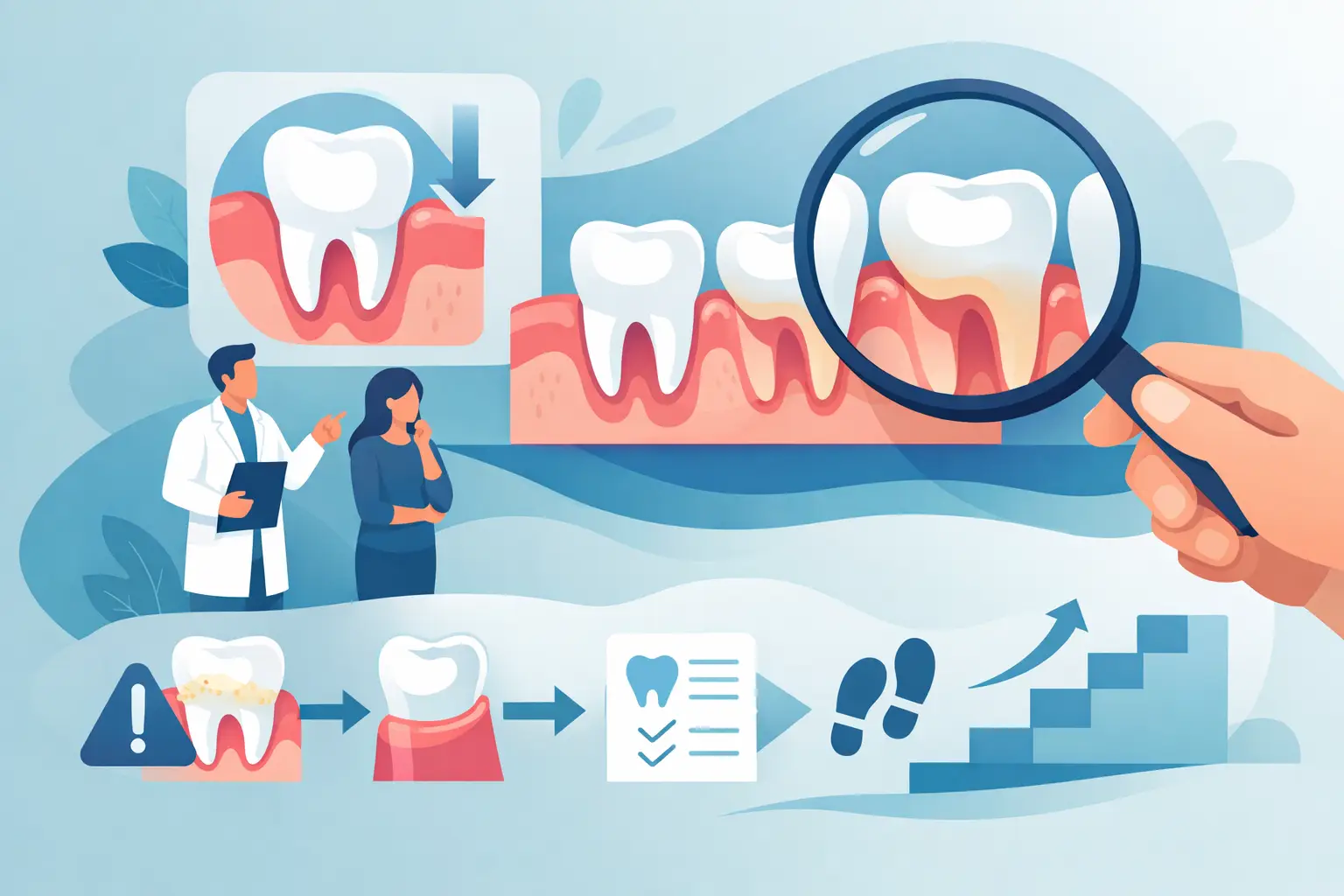
Gum recession means the gumline has moved down on a lower tooth or up on an upper tooth, leaving more of the tooth or root exposed. It may affect one tooth, several teeth in the same area, or the entire mouth. Some people first notice it while flossing or looking closely in the mirror. Others notice a sharp response to cold water, sweets, or brushing.
The most common cause is periodontal disease, also called gum disease. Plaque is a sticky bacterial film that builds up along and beneath the gumline. When it is not removed thoroughly, it can harden into tartar and trigger inflammation. Over time, this inflammation can damage the supporting gum tissue and bone around the teeth. Recession may be part of that process, even if your gums do not hurt.
Gum disease is not the only explanation. Some patients have naturally thin gum tissue or a prominent tooth root that is more likely to recede. Genetics, the position of the teeth, and the thickness of the bone supporting them all matter. This is why two people with similar brushing routines can have very different gumlines.
Common Causes of Receding Gums
Brushing too aggressively can contribute to recession, particularly when a hard-bristled brush or a forceful side-to-side motion is used over many years. The goal is not to scrub your teeth. A soft-bristled toothbrush and gentle, controlled technique remove plaque effectively without unnecessary trauma to the gums.
Clenching and grinding can also play a role. Excess pressure from an uneven bite, nighttime grinding, or jaw clenching may stress the teeth and surrounding tissues. You may notice flattened or chipped teeth, jaw soreness, morning headaches, or increased sensitivity along with recession. A custom night guard or bite evaluation may be appropriate when these forces are part of the problem.
Tobacco use raises the risk of gum disease and can make healing more difficult. It may also mask visible signs of inflammation, so gums can appear less red or swollen than expected while disease progresses below the surface. Vaping and smokeless tobacco are not risk-free alternatives for gum health.
Hormonal changes, including pregnancy and menopause, can make gums more reactive to plaque. Diabetes and certain medications may affect oral health as well. These factors do not guarantee recession, but they can influence how closely your gums need to be monitored.
Crooked, crowded, or poorly positioned teeth can place the gum tissue under strain or make plaque harder to remove. In some cases, orthodontic treatment can improve tooth position and make long-term hygiene easier. However, treatment planning must account for the existing gum and bone levels, especially when tissue is already thin.
Signs That Deserve a Dental Visit
Recession can be subtle, so it is wise to schedule an exam if you see a changing gumline or your teeth look longer than before. Sensitivity near the gums, visible root surfaces, notches at the gumline, bleeding when brushing or flossing, persistent bad breath, loose teeth, or a change in how your bite feels also deserve professional attention.
Do not assume bleeding is normal or that sensitivity is simply part of getting older. Neither automatically means you have advanced periodontal disease, but both are useful signals. A dental exam can distinguish between recession caused by inflammation, brushing trauma, bite forces, decay, or a combination of factors.
At Newport Beach Dentistry, an evaluation may include measuring the gum pockets around each tooth, checking for bleeding and inflammation, assessing your bite, and reviewing digital X-rays to evaluate bone support. Intraoral images can also help you see the areas being discussed and track changes over time. This information allows treatment to be based on your specific needs rather than a one-size-fits-all approach.
Can Receding Gums Grow Back?
Gum tissue usually does not grow back on its own once it has receded. That does not mean nothing can be done. The first priority is to stop or slow the cause of recession and prevent additional loss. For mild recession without active disease, changing brushing technique, managing grinding, treating sensitivity, and maintaining consistent preventive visits may be enough.
When plaque and tartar have collected below the gums, periodontal cleaning may be recommended. This treatment removes bacterial deposits from areas that a regular cleaning cannot reach. Depending on the severity of periodontal disease, ongoing periodontal maintenance may be necessary to keep inflammation under control.
For more significant root exposure, a periodontal gum graft may be an option. During this procedure, a periodontist adds tissue to reinforce the gumline and, in many cases, cover part or all of the exposed root. Gum grafting can improve comfort, reduce the risk of root decay, and create a more balanced smile. Whether it is needed depends on the location and amount of recession, tissue thickness, sensitivity, aesthetics, and the condition of the bone around the tooth.
Sometimes a tooth-colored restoration can protect a worn root surface, particularly if there is a deep groove or cavity at the gumline. It can reduce sensitivity and make the area easier to keep clean, but it does not replace lost gum tissue. Your dentist will discuss when a restoration, graft, or conservative monitoring offers the best long-term value.
What You Can Do at Home
Home care matters, but it should support professional treatment rather than replace it. Use a soft toothbrush and light pressure. Angle the bristles gently toward the gumline and clean in small circles or short strokes. An electric toothbrush with a pressure sensor can be helpful for patients who tend to brush too hard.
Clean between your teeth every day with floss, interdental brushes, or another tool recommended for the spacing of your teeth. If flossing causes bleeding, continue gently and arrange an exam rather than stopping. Healthy gums should become less likely to bleed with effective daily plaque removal and appropriate treatment.
If cold or sweet foods cause discomfort, a toothpaste formulated for sensitivity may help. Avoid using whitening products excessively if they increase irritation. If you clench or grind, wear any prescribed night guard consistently. And if you use tobacco, asking for support to quit is a meaningful step for your gum health and overall wellness.
Protecting Your Gumline for the Long Term
The right next step depends on why the recession developed. A patient with mild recession from forceful brushing may need a technique adjustment and monitoring. Someone with bleeding, deep pockets, and bone loss needs periodontal care. A patient with thin tissue around a front tooth may benefit from early grafting before the recession becomes more noticeable or difficult to manage.
Regular exams and cleanings allow small changes to be documented before they become complex problems. They also create an opportunity to review your brushing technique, bite, home-care tools, and any sensitivity you have been living with. Receding gums can feel alarming, but with personalized care, many patients can stabilize their gumline, protect exposed roots, and feel confident smiling comfortably again.
If you have noticed a changing gumline, do not wait for pain to tell you something is wrong. A thoughtful examination can give you clear answers and a plan that protects your smile for years to come.