A small chip on a front tooth can feel much bigger when it appears in every photo, video call, or conversation. When comparing veneers vs bonding cost, the lower upfront price is only one part of the decision. The right treatment should also suit your tooth health, smile goals, timeline, and expectations for how long the result will last.
At Newport Beach Dentistry, cosmetic treatment planning begins with a close look at your teeth, bite, gum health, and the changes you would like to see. Some patients need a simple, conservative repair. Others want a more complete and lasting change in tooth color, shape, or symmetry. Understanding the differences helps you make a confident choice.
Veneers vs Bonding Cost: Typical Price Ranges
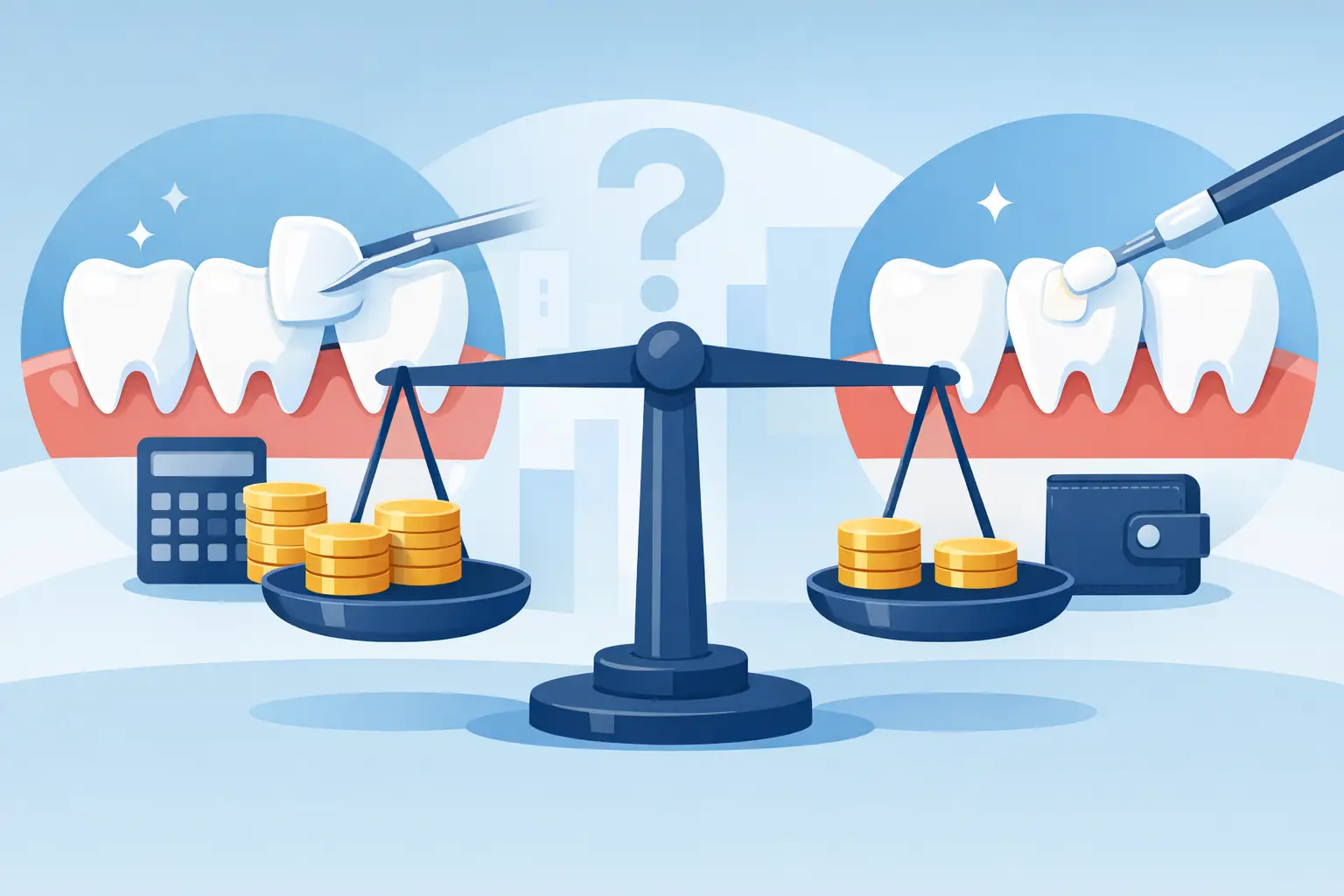
Dental bonding is generally the more affordable option at the start. In Southern California, composite bonding commonly ranges from about $300 to $800 per tooth, depending on the amount of material needed, the location of the tooth, and the complexity of the repair. A small edge chip usually requires less time and material than reshaping a noticeably uneven front tooth.
Porcelain veneers typically cost more because they are custom-made in a dental laboratory and involve a more detailed planning and placement process. A porcelain veneer may range from approximately $1,500 to $3,500 or more per tooth in the Newport Beach area. The final fee can vary based on the porcelain selected, the number of teeth treated, the degree of customization, and whether other care is needed first.
These are general estimates, not a substitute for a personalized quote. A consultation is the best way to receive an accurate treatment plan. It also prevents an important mistake: choosing a cosmetic option based on price alone before confirming that it is appropriate for your teeth and bite.
Why Porcelain Veneers Cost More
A veneer is a thin, custom porcelain shell bonded to the front of a tooth. It can improve the appearance of permanent staining, minor chips, worn edges, uneven shape, small gaps, and mild alignment concerns. Because each veneer is designed to blend with your smile, the process requires careful preparation, impressions or digital scans, shade selection, laboratory fabrication, and precise bonding.
Porcelain itself is a major part of the investment. High-quality porcelain can reflect light in a way that resembles natural enamel, and it is highly resistant to staining from coffee, tea, red wine, and many foods. The planning process is equally valuable. For visible teeth, a small change in length, contour, or color can affect the balance of the entire smile.
In many cases, a thin layer of enamel must be adjusted to create room for the veneer. That makes the treatment more permanent than bonding. While modern conservative techniques can preserve as much healthy tooth structure as possible, a tooth that has been prepared for a veneer will generally need a veneer or other restoration in the future.
Why Bonding Is Less Expensive
Composite bonding uses tooth-colored resin applied directly to the tooth. The dentist shapes and hardens the material during the appointment, then polishes it to blend with the surrounding enamel. Because there is no outside laboratory fee and the treatment can often be completed in one visit, bonding usually has a lower initial cost.
Bonding is an excellent option for repairing a small chip, softening a sharp edge, closing a minor gap, or making a subtle contour adjustment. It can also be a conservative choice for younger adults who are not ready to commit to veneers or for patients who want to test a cosmetic change before pursuing more extensive treatment.
The trade-off is durability. Composite resin is more likely than porcelain to pick up stains, lose polish, chip, or wear over time. Bonding can often be repaired, which is a meaningful benefit, but it may need touch-ups or replacement sooner than a porcelain veneer.
Comparing Long-Term Value, Not Just the Initial Fee
The most useful veneers vs bonding cost comparison accounts for maintenance over time. Bonding may last around three to seven years with attentive care, although its lifespan varies widely. Habits such as nail biting, chewing ice, opening packages with teeth, or grinding can shorten it. Regular polishing or repair may be needed to keep the surface looking its best.
Porcelain veneers often last 10 to 15 years or longer when cared for properly. They are not indestructible, and they may eventually need replacement, but their stain resistance and strength can make them a better long-term value for patients seeking a larger cosmetic change.
That does not mean veneers are automatically the better investment. If you only need one small repair, paying for a veneer may be more treatment than necessary. Conversely, repeatedly repairing bonded edges across several visible teeth may become less cost-effective than a more durable solution. The value depends on the scope of treatment and how you use your teeth every day.
Factors That Can Change Your Treatment Cost
The number of teeth is one of the largest variables. A single bonded tooth is very different from a smile makeover involving six, eight, or 10 teeth. For veneers, many patients choose to treat the teeth visible when they smile broadly so the color and shape appear consistent.
Your starting oral health also matters. Decay, gum inflammation, old failing fillings, cracked teeth, or bite problems should be addressed before cosmetic treatment. Treating these conditions protects your result and helps prevent discomfort or future damage, but it can add to the overall treatment plan.
Teeth grinding is another key consideration. Patients who clench or grind may benefit from a custom night guard after bonding or veneers. This additional protection can be especially important because excessive pressure can chip resin and damage porcelain.
Finally, the desired level of change affects the cost. Correcting one irregular edge is relatively straightforward. Creating a brighter, more uniform smile with changes in color, width, length, and alignment requires more planning and artistry.
Which Option Fits Your Smile Goals?
Bonding may be the right choice when the concern is minor, your natural tooth color already looks healthy, and preserving enamel is a priority. It is also appealing when you want a fast improvement with a lower upfront investment. Because the resin can be added directly to the tooth, little to no enamel removal may be needed in many cases.
Veneers may be a stronger choice for teeth with deep discoloration that does not respond well to whitening, multiple cosmetic concerns, or repeated bonding repairs. They are often selected by patients who want a stable shade and a polished, uniform result that can hold up beautifully for years.
Neither option replaces good preventive care. Brushing twice daily with fluoride toothpaste, flossing or using another interdental cleaner, keeping regular dental visits, and avoiding hard objects protect both your natural teeth and cosmetic work. If you enjoy coffee or red wine, porcelain may retain its color more predictably, while bonding may require occasional polishing to address surface staining.
Will Dental Insurance Cover Veneers or Bonding?
Insurance often does not cover cosmetic veneers because they are usually considered elective treatment. Bonding may receive partial coverage when it is used to repair damage from trauma or decay, but coverage varies substantially by plan and by the documented reason for treatment.
Before treatment begins, your dental team can help clarify expected fees and discuss available payment options. For uninsured or cost-conscious patients, a phased plan may be possible. For example, a patient may begin by restoring a chipped tooth with bonding, then consider veneers later if their long-term goals change.
A beautiful smile should never come at the expense of a healthy foundation. The best next step is a personalized cosmetic consultation where you can see what each option can realistically accomplish, understand the full cost of care, and choose a treatment that feels right for your smile and your life.