When eating hurts, teeth keep breaking, or you no longer feel comfortable smiling in photos, fixing one tooth at a time may not address the real problem. A guide to full mouth reconstruction can help you understand how comprehensive dental care restores the health, function, comfort, and appearance of an entire smile through a carefully sequenced plan.
Full mouth reconstruction is not a single procedure or a one-size-fits-all cosmetic makeover. It is a personalized approach for patients with multiple dental concerns, often involving restorative, periodontal, cosmetic, and surgical care. The goal is to create a healthy, stable foundation first, then rebuild the teeth and bite in a way that feels natural and supports long-term oral health.
What Is Full Mouth Reconstruction?
Full mouth reconstruction, also called full mouth rehabilitation, combines treatments to repair or replace many teeth at once. It may be appropriate when teeth are severely worn, extensively decayed, missing, broken, misaligned, or affected by long-standing gum disease.
A reconstruction plan considers more than what each tooth looks like on its own. Your dentist evaluates how your teeth meet, how your jaw moves, whether your gums are healthy, where bone has been lost, and how your smile fits your facial features. This broader view matters because an attractive restoration that does not support a balanced bite can lead to discomfort, chipped restorations, or further wear.
Some patients need extensive care after years of postponing dentistry due to anxiety, finances, or a busy schedule. Others have experienced injury, acid erosion, grinding, failed older dental work, or the effects of periodontal disease. There is no single profile for a full mouth reconstruction candidate.
Who May Benefit From a Full Mouth Reconstruction?
You may benefit from a comprehensive evaluation if you have several missing teeth, loose teeth, repeated dental infections, worn or flattened teeth, painful chewing, or restorations that are failing across different areas of your mouth. Chronic jaw soreness, frequent headaches, and changes in the way your teeth fit together can also signal that your bite needs attention.
Appearance can be part of the concern, but it should not be the only focus. For example, veneers may improve the visible front teeth, but they are not the right first step if untreated gum inflammation, tooth decay, or bite instability is present. Similarly, dental implants can replace missing teeth beautifully, but they require adequate bone support and healthy gums.
A full examination is the best way to determine whether you need complete rehabilitation or a more limited treatment plan. Many patients discover that targeted care can solve their concerns without rebuilding every tooth.
Your Guide to Full Mouth Reconstruction Planning
The planning stage is where quality care makes the greatest difference. Rather than rushing into treatment, your dentist gathers the information needed to make informed recommendations. This may include digital X-rays, intraoral images, periodontal measurements, photographs, impressions or digital scans, and an assessment of your bite and jaw joints.
Your health history matters as well. Conditions such as diabetes, osteoporosis, autoimmune disease, dry mouth, or sleep apnea can affect treatment decisions and healing. Medications, tobacco use, teeth grinding, and past dental anxiety should be discussed openly. A personalized plan is safer and more predictable when your dental team understands the whole picture.
Establishing a healthy foundation
Before placing crowns, veneers, bridges, or implants, the mouth must be stable. This phase may include treating cavities, addressing gum disease, completing root canal therapy, removing teeth that cannot be saved, or improving oral hygiene habits.
If gum disease has caused bone loss, periodontal treatment may be needed before restorations are placed. In some cases, bone grafting is recommended before implants. These steps can add time to the process, but they protect the investment you make in your new smile.
Rebuilding function and appearance
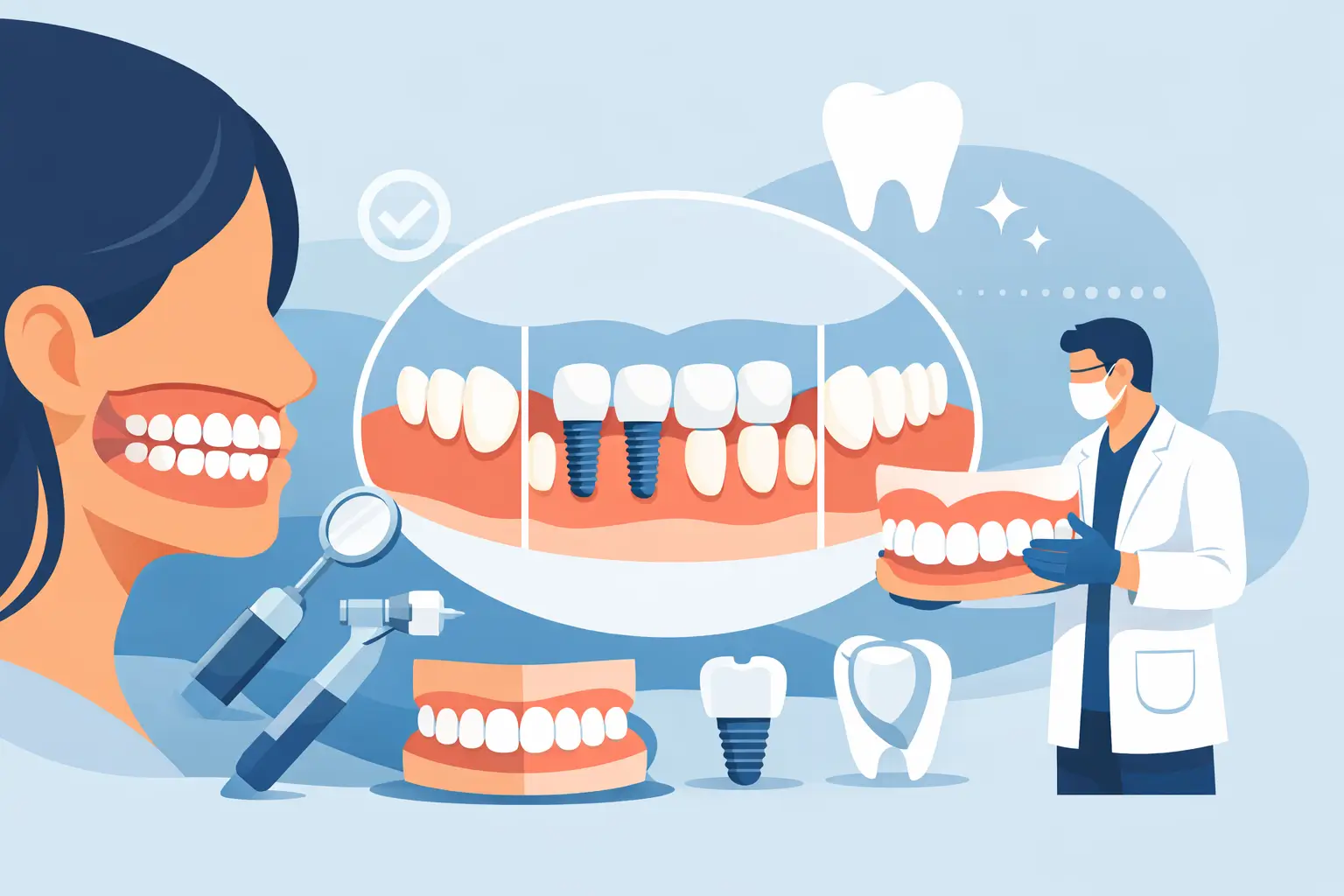
Once your oral health is under control, your dentist can recommend the restorative options that fit your needs. Depending on your case, treatment may include crowns to protect weakened teeth, bridges to replace missing teeth, dental implants for stable tooth replacement, dentures, veneers, bonding, orthodontic treatment, or bite adjustments.
The right combination depends on your goals, anatomy, budget, and the condition of your remaining teeth. A patient with healthy roots and significant wear may do well with carefully designed crowns or veneers. Someone with non-restorable teeth may be better served by implant-supported bridges or dentures. Whenever possible, preserving healthy natural tooth structure is a priority.
What Does Treatment Feel Like?
Many patients worry that full mouth reconstruction means long, uncomfortable appointments. In reality, treatment is usually divided into manageable phases. Some procedures can be completed in a few visits, while implant treatment and healing may extend over several months.
Comfort should be part of every discussion. Local anesthetic is used for procedures that require it, and sedation options may be available for patients with dental anxiety or more complex treatment needs. Letting your dentist know about past fears or difficult experiences allows the team to adjust the pace, explain each step, and make your visits more comfortable.
Temporary restorations are often used while final crowns, bridges, or veneers are being created. These temporaries help protect prepared teeth and give your dentist an opportunity to assess the appearance and function of your proposed bite. Your feedback matters during this stage. If something feels too bulky, too short, or uncomfortable when chewing, it should be addressed before the final restorations are placed.
How Long Does Full Mouth Reconstruction Take?
The timeline varies considerably. A straightforward reconstruction involving crowns and restorative work may take several weeks to a few months. A plan involving extractions, periodontal therapy, bone grafting, orthodontics, or dental implants can take longer because healing time cannot be rushed.
A staged approach is often beneficial. It allows your dentist to resolve urgent problems first, evaluate how your bite responds, and spread treatment over a schedule that works for your life. It can also help patients prioritize essential health needs before moving forward with elective cosmetic refinements.
The fastest plan is not always the best plan. Careful sequencing helps protect your comfort, improve predictability, and reduce the risk of needing to redo work later.
Understanding Cost and Treatment Choices
The cost of full mouth reconstruction depends on the number of teeth involved, the condition of your gums and bone, the type of restorations selected, and whether procedures such as implants or sedation are needed. Because every case is different, an accurate estimate requires an in-person examination and treatment plan.
It is reasonable to ask which treatments are essential, which are recommended for long-term stability, and which are elective improvements. A clear conversation about priorities can make the process feel more manageable. Some plans can be phased over time, while other concerns, such as infection or active gum disease, should be treated promptly.
Insurance may contribute toward certain medically necessary treatments, but cosmetic services and implant-related procedures often have different coverage rules. Your dental office can help you understand estimates, payment options, and the likely sequence of care before treatment begins.
Protecting Your Results for the Long Term
A reconstructed smile still needs daily care. Brushing twice a day with fluoride toothpaste, cleaning between teeth, attending regular exams and cleanings, and following specific instructions for implants, bridges, or dentures are essential. Patients who clench or grind their teeth may need a custom night guard to protect both natural teeth and restorations.
Routine visits also allow your dentist to identify small changes before they become larger problems. Crowns and implants are highly durable, but they are not maintenance-free. Gum health, bite changes, and everyday wear can all affect their lifespan.
At Newport Beach Dentistry, comprehensive care can bring diagnostics, periodontal treatment, restorative dentistry, cosmetic planning, and implant options together under one roof. That coordination is especially valuable when your treatment requires several services working toward one healthy outcome.
A full mouth reconstruction begins with an honest conversation about what is bothering you now and what you want your smile to do for you in the years ahead. The right plan should leave you feeling informed, comfortable, and confident that each step serves your health as well as your appearance.