A planned dental procedure should not feel like something you simply have to endure. For patients with dental anxiety, a sensitive gag reflex, difficulty sitting comfortably, or a longer treatment ahead, sedation can make care feel far more manageable. Knowing how to prepare for dental sedation helps protect your safety, supports a smoother appointment, and lets you arrive with fewer unknowns.
Sedation dentistry is never one-size-fits-all. Your dentist will recommend an approach based on the procedure, your health history, current medications, and comfort needs. The instructions you receive from your dental team should always take priority over general advice, especially if you have a medical condition or are receiving IV sedation.
Understand the Sedation Plan Before Your Visit
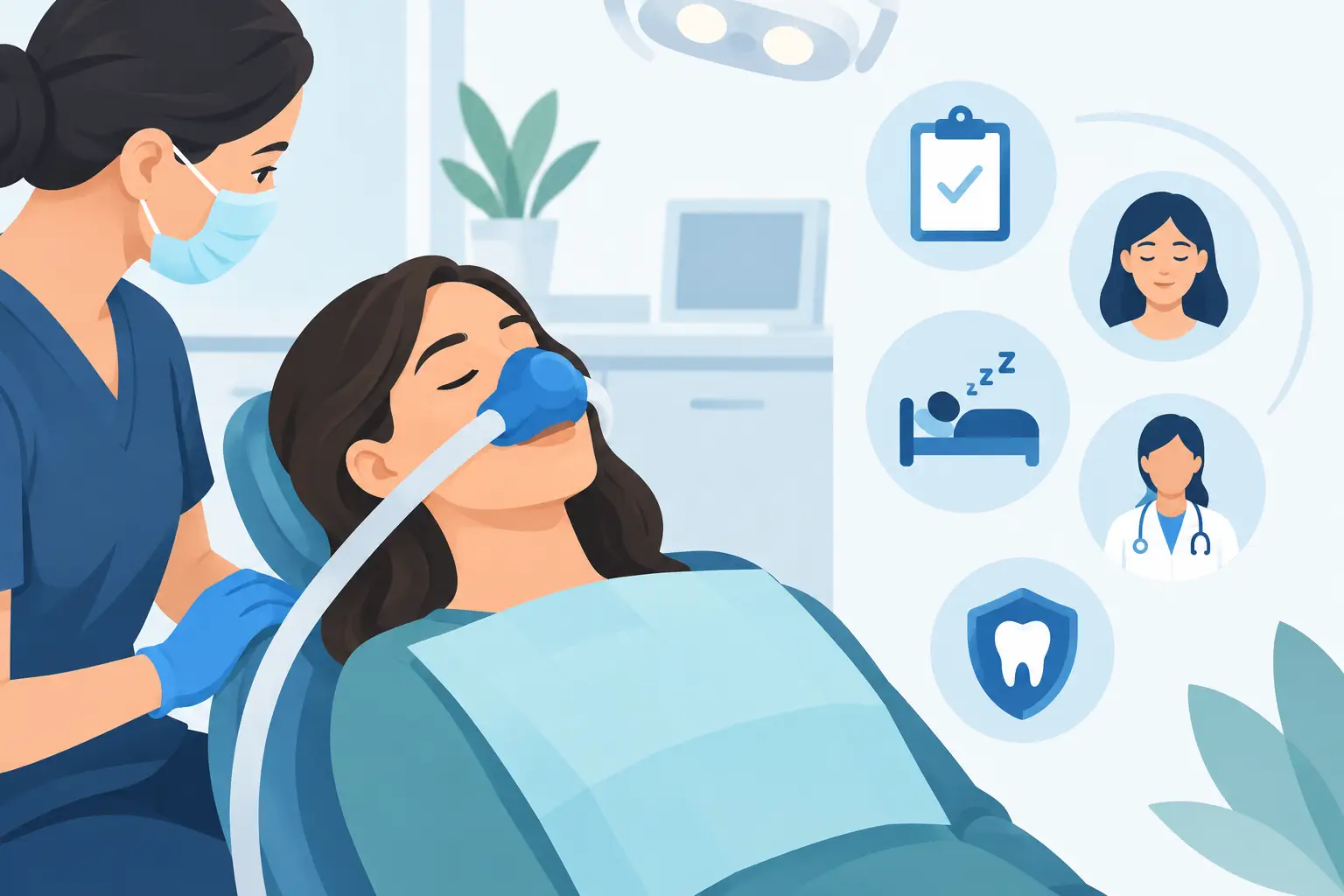
Before treatment, ask which type of sedation you will receive and what you can realistically expect. Nitrous oxide, often called laughing gas, is inhaled through a small nasal mask and typically wears off quickly after the gas is stopped. Oral conscious sedation involves a prescribed medication taken before the appointment, so you will need more time to recover and a responsible adult to take you home.
IV sedation is administered and monitored during treatment for a deeper level of relaxation. Although patients may remain responsive, they often remember little of the procedure afterward. This option requires more detailed preparation, including fasting instructions and a dependable escort.
Sedation is designed to reduce fear and discomfort, not to replace local anesthetic when anesthetic is needed. For fillings, extractions, dental implants, periodontal treatment, or other procedures, your dentist may use both sedation and local anesthesia to keep you comfortable throughout care.
Share a Complete Health and Medication History
One of the most valuable steps you can take is to be completely candid with your dental team. Sedation decisions rely on accurate information. Tell your dentist about prescription medications, over-the-counter medicines, vitamins, herbal products, and supplements, even if they do not seem related to dentistry.
Some medications can affect bleeding, blood pressure, breathing, blood sugar, or how your body responds to sedatives. Do not stop or change a prescribed medication on your own. Instead, ask whether you should take it as usual on the morning of treatment and whether it should be taken with a small sip of water.
Be sure to mention a history of sleep apnea, asthma, heart disease, diabetes, liver or kidney disease, seizures, allergies, previous anesthesia complications, or nausea after sedation. If you use a CPAP machine, tell the office. Pregnancy or the possibility of pregnancy should also be discussed before sedation is planned.
Honesty matters with alcohol, cannabis, nicotine, and recreational substances as well. These can interact with sedatives or change the way your body responds during treatment. Your care team is focused on your safety, not judgment.
Follow Fasting Instructions Exactly
Fasting is one of the areas where patients should not rely on a friend’s experience or an internet checklist. The right instructions depend on the type of sedation and your individual health needs.
For some appointments involving only nitrous oxide, a light meal beforehand may be appropriate and can help prevent nausea. For oral or IV sedation, patients are often asked not to eat for a specific number of hours before treatment. Clear liquids may be allowed up to a certain point, but that timing varies. Your dentist will tell you when to stop eating and drinking.
An empty stomach may sound inconvenient, but it is an important safety measure. Sedation can reduce protective reflexes and increase the risk of nausea or aspiration if food or liquid is in the stomach. If you accidentally eat or drink outside the permitted window, call the dental office. It may be safer to adjust the appointment than to proceed without proper preparation.
Arrange a Responsible Adult and Recovery Time
If you take an oral sedative or receive IV sedation, you cannot drive yourself home. You should arrange for a responsible adult to bring you to the office, remain available during your visit if requested, and drive you home afterward. A rideshare or taxi may not meet the office’s safety requirements because you may need assistance getting settled at home.
Your escort should be someone you trust and who can follow post-treatment instructions with you. Depending on the procedure, you may be sleepy, unsteady, or temporarily forgetful. Plan to take the rest of the day off from work, school, caregiving duties, exercise, and important decisions.
You should also avoid driving, operating machinery, cooking on a stove, drinking alcohol, signing legal documents, or taking unapproved medications until the sedation has fully worn off and your dentist says it is safe. Even when you feel alert, judgment and coordination can remain affected longer than expected.
What to Wear and Bring to Your Appointment
Choose loose, comfortable clothing that allows access to your arm if your treatment plan includes IV sedation. Flat, secure shoes are preferable to heels or sandals that may feel unstable after treatment. Avoid heavy makeup, lipstick, and excessive jewelry, particularly around the face and neck.
Bring your photo ID, insurance information if applicable, and a current medication list. If you have been given forms or consent documents to complete, return them before the appointment whenever possible. This gives your dentist time to answer questions without adding stress on the day of treatment.
For parents bringing a child for sedation, it can help to bring a favorite small comfort item for before and after the appointment. Follow the pediatric instructions precisely, since fasting guidelines and medication doses are based on a child’s age, weight, health history, and planned procedure.
Questions to Ask When You Prepare for Dental Sedation
A calm appointment often begins with a clear conversation. If you are unsure about any part of the process, ask before the day of treatment. Your dentist should explain what type of sedation is recommended, why it fits your procedure, how long its effects may last, and what recovery is likely to feel like.
It is also reasonable to ask what you should eat before your fasting period begins, which daily medications to take, whether you need an escort, and when you can return to work or normal activities. If you have had an uncomfortable or frightening dental experience in the past, share that too. A compassionate dental team can adjust communication, pacing, and comfort measures around your needs.
At Newport Beach Dentistry, sedation planning is part of personalized care. The goal is not simply to complete treatment, but to help you feel informed, respected, and comfortable while protecting your oral health.
Plan for a Gentle Recovery at Home
Before your appointment, prepare a quiet place where you can rest. If your procedure involves extraction, implant placement, gum treatment, or surgery, stock your kitchen with soft foods that fit the recovery guidance you receive. Yogurt, smoothies eaten with a spoon when appropriate, eggs, mashed foods, and soup cooled to a safe temperature may be easier than crunchy or hot foods.
Take medications exactly as directed, including pain medicine, antibiotics, or anti-nausea medication when prescribed. Do not combine sedatives with alcohol, sleep aids, or other substances unless your dentist or physician has specifically approved it. Call the office if you experience concerning symptoms, such as trouble breathing, repeated vomiting, uncontrolled bleeding, worsening swelling, a rash, or pain that is not controlled by the recommended plan.
The best preparation is simple: give your dental team complete information, follow their instructions closely, and make room in your schedule to recover. When you do, sedation can turn a difficult-feeling visit into a supported step toward a healthier, more confident smile.