The back teeth do most of the hard work when your child eats, and their deep grooves can hold onto food and bacteria long after brushing. That is why many parents ask, are dental sealants worth it? For most children and teens with newly erupted permanent molars, the answer is often yes. Sealants are a quick, comfortable preventive treatment that can protect the chewing surfaces most likely to develop cavities.
A sealant is not a substitute for brushing, flossing, fluoride, or routine dental visits. It is an added layer of protection, especially during the years when children are learning consistent oral-care habits and their permanent molars are most vulnerable.
What Dental Sealants Actually Do
Dental sealants are thin protective coatings placed on the chewing surfaces of back teeth, usually the premolars and molars. These teeth have natural pits and grooves that can be narrower than a toothbrush bristle. Even a child who brushes carefully may not be able to fully remove plaque from those areas.
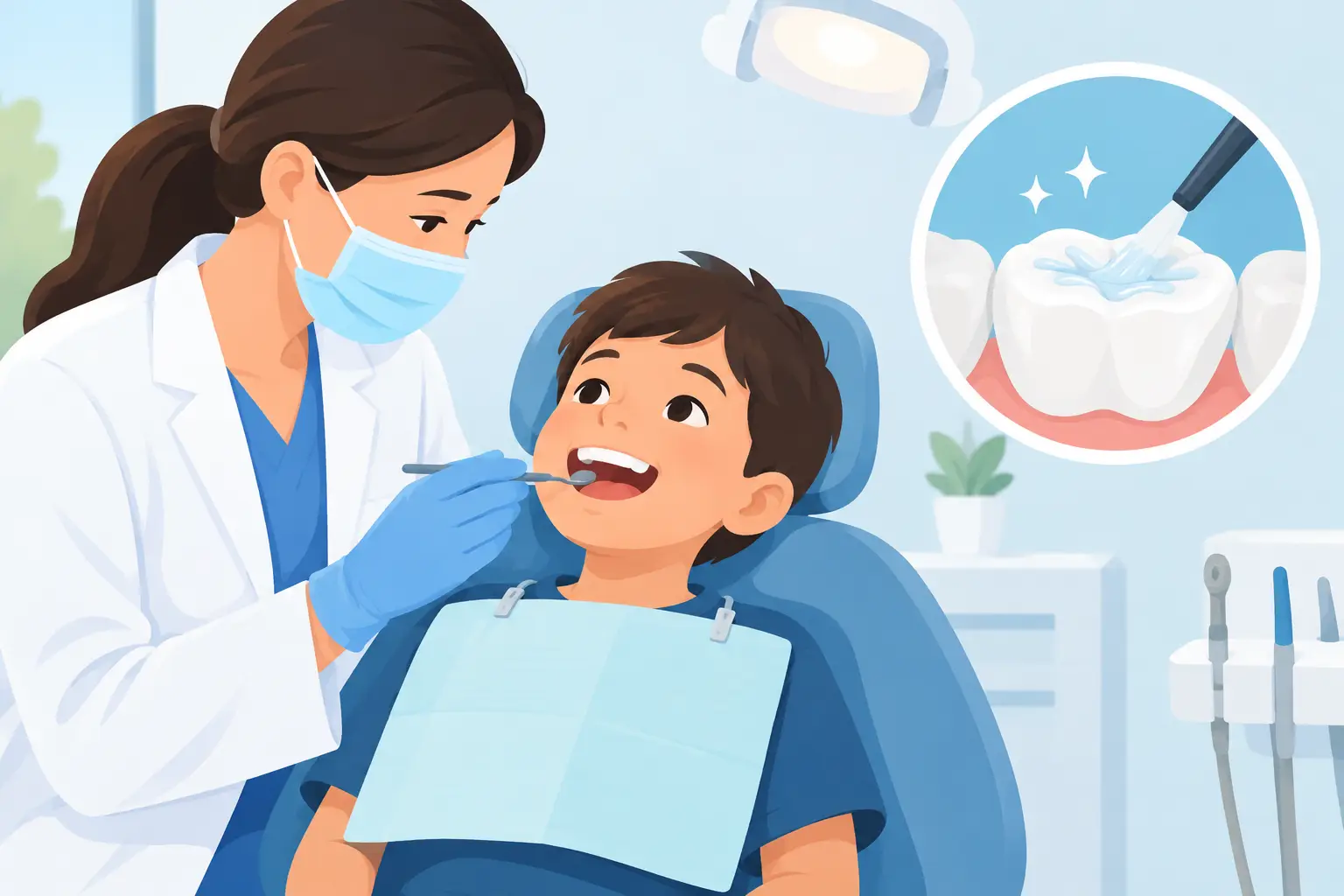
The sealant flows into those grooves and hardens, creating a smoother surface that keeps food particles and bacteria from settling in. By blocking the places where decay often begins, a sealant can lower the risk of cavities on the biting surface of the tooth.
Sealants are most commonly recommended soon after a child’s first and second permanent molars come in. First molars typically erupt around age 6, while second molars often arrive around age 12. Protecting these teeth early can help preserve healthy enamel before decay has a chance to develop.
Are Dental Sealants Worth It? The Short Answer
For many families, dental sealants are a practical investment in prevention. They are generally far less involved and less costly than treating a cavity with a filling. More importantly, preventing decay helps a child avoid the discomfort, anxiety, and disruption that can come with dental treatment.
The decision is not exactly the same for every patient. A child with deep molar grooves, a history of cavities, frequent snacking, difficulty brushing thoroughly, orthodontic appliances, or limited fluoride exposure may benefit significantly from sealants. A child with shallow grooves, excellent daily hygiene, and a low cavity risk may not need every back tooth sealed.
At Newport Beach Dentistry, recommendations should be based on a close examination of the tooth, your child’s cavity history, their home-care routine, and their overall oral health. Personalized care matters because prevention works best when it fits the patient, not when it follows a one-size-fits-all checklist.
Benefits That Make Sealants a Strong Preventive Option
The clearest benefit of a dental sealant is that it protects healthy tooth structure. A sealant is placed before a cavity develops, so no drilling or removal of healthy enamel is needed. The process is noninvasive and typically does not require numbing medication.
The appointment is also brief. The dentist or hygienist cleans and dries the tooth, prepares the surface so the sealant can bond, applies the coating, and hardens it with a curing light. Children usually tolerate the process very well, including patients who feel nervous about dental visits.
Sealants can last for years with proper care. They may gradually wear down or chip, particularly in patients who grind their teeth or chew hard objects, but they can be checked during regular exams and repaired or replaced when necessary. Digital imaging and careful clinical exams help the dental team monitor both the sealant and the tooth underneath it.
There is also a long-term advantage to avoiding the cycle of restorative treatment. A small filling may eventually need replacement, and replacement fillings can become larger over time. Preventing the first cavity can help a tooth remain stronger and less heavily treated throughout life.
When Sealants May Not Be the Best Choice
Sealants are highly useful, but they are not right for every tooth. If a tooth already has a cavity that extends into the enamel or dentin, the appropriate treatment may be a filling rather than a sealant. Placing a sealant over active decay without addressing it would not be a reliable solution.
Some teeth have very shallow grooves that are easy to clean and show little risk of decay. In those cases, monitoring the tooth and maintaining good home care may be the better approach. Your dentist may also recommend watching a suspicious groove over time if the area is not clearly decayed and the child has a low cavity risk.
Adults can receive dental sealants too, although they are less commonly needed. An adult with deep, cavity-prone grooves and no existing restoration in the tooth may be a candidate. This is especially worth discussing if the patient has a history of recurring decay in the back teeth.
What About Safety?
Parents understandably want to know what is being placed on their child’s teeth. Dental sealants have been used in preventive dentistry for decades and are considered safe for children and adults. The material is applied only to the tooth surface and is hardened in place during the appointment.
Some families have questions about trace chemical exposure from resin-based materials. Current research supports the safety of dental sealants, and the potential exposure is very small and brief. The known benefit of reducing cavities generally outweighs this concern. If you have questions about materials or your child has specific medical considerations, bring them up before treatment. A good dental team will explain the options clearly and help you feel comfortable with the plan.
Cost, Insurance, and the Value of Prevention
Cost is part of the conversation for every family. Many dental insurance plans cover sealants for children, particularly on permanent molars, though coverage limits and age restrictions vary. For patients without insurance, sealants are often an affordable preventive service compared with the cost of treating a cavity and the possibility of future replacement treatment.
It is helpful to think beyond the immediate fee. A cavity can mean additional appointments, time away from school or work, and the stress of treatment for a child who may already feel apprehensive. Sealants cannot guarantee that a tooth will never develop decay, but they can reduce risk in the areas where a toothbrush has the hardest time reaching.
Ask your dental office for a clear estimate before treatment. Knowing which teeth are recommended, why they are recommended, and what your benefits may cover allows you to make a confident decision without surprises.
How to Help Sealants Last
Once placed, sealants do not require special care. Your child should continue brushing twice daily with fluoride toothpaste, flossing where teeth touch, and attending regular checkups and cleanings. Sealants protect the chewing surface, not the sides between teeth or the gumline, so daily hygiene still matters.
Try to discourage chewing ice, hard candy, pen caps, or other nonfood objects. These habits can damage natural teeth as well as sealants. If your child grinds their teeth, mention it during their visit. A nightguard or other preventive recommendation may be appropriate depending on their age, symptoms, and stage of dental development.
During routine visits, the dental team will check whether the sealants remain intact. If part of a sealant has worn away, it can often be touched up quickly before the tooth becomes vulnerable again.
A Small Step That Can Protect Growing Smiles
Dental sealants are most valuable when they are part of a larger prevention plan that includes regular exams, professional cleanings, fluoride, healthy eating habits, and compassionate guidance at home. They are not necessary for every tooth or every patient, but for many children, they offer simple protection at exactly the time permanent molars need it most.
If your child has newly erupted back teeth or has had cavities in the past, a preventive dental visit is a good time to ask whether sealants make sense. A thoughtful recommendation can help you protect their smile now while building healthy habits that last well beyond childhood.