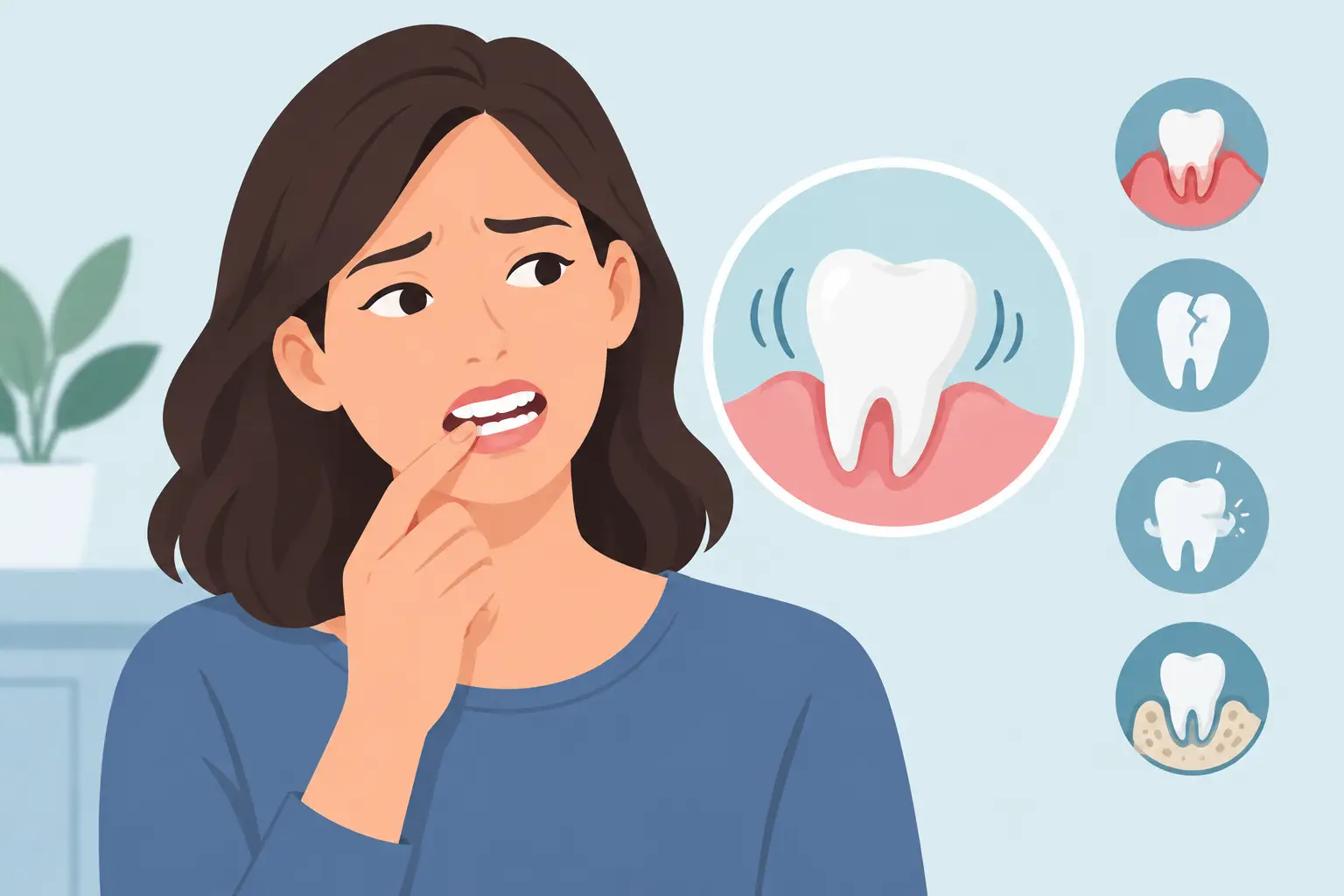
A tooth that suddenly seems to move when you bite can be unsettling. If you are asking, why do teeth feel loose, the answer may range from temporary inflammation to a dental concern that needs prompt treatment. Adult teeth are designed to have a tiny amount of natural movement, but noticeable looseness, shifting, or discomfort should never be ignored.
The good news is that many causes can be identified early and treated with a personalized plan. A dental exam can determine whether the issue involves your gums, bone, tooth structure, bite, or an existing restoration.
Why Do Teeth Feel Loose in Adults?
Teeth are held in place by roots, jawbone, and the periodontal ligament, a thin layer of supportive tissue between the root and bone. When any part of this support system becomes irritated, infected, injured, or weakened, a tooth may feel different when you chew, brush, or touch it with your tongue.
Sometimes the sensation is not true tooth mobility. Swollen gums, a high filling, jaw clenching, or pressure from sinus congestion can make a tooth feel as though it is moving. Still, it takes a professional evaluation to tell the difference. Waiting for the feeling to pass can allow a manageable issue to progress.
Gum Disease and Bone Loss
Gum disease is one of the most common reasons permanent teeth become loose. It begins when bacterial plaque accumulates along and below the gumline. Early gum disease, called gingivitis, may cause bleeding, tenderness, or puffiness but is often reversible with professional cleaning and consistent home care.
When infection progresses to periodontitis, it can damage the gum tissue and jawbone that hold teeth in place. Pockets can form around the teeth, making it easier for bacteria to remain below the gumline. Over time, teeth may shift, feel loose, or develop spaces that were not there before.
Periodontal disease is not always painful, which is one reason regular checkups matter. Warning signs include gums that bleed when brushing or flossing, persistent bad breath, gum recession, changes in your bite, or teeth that appear longer than before. Treatment may involve a deep cleaning, periodontal therapy, laser-assisted care in appropriate cases, and a maintenance plan designed around your needs.
Clenching, Grinding, and Bite Pressure
Many people clench or grind their teeth during sleep or periods of stress without realizing it. This repeated force can inflame the periodontal ligament, making one or more teeth feel sore, sensitive, or slightly loose. You may also wake with jaw tension, headaches, worn tooth edges, or chipped restorations.
An uneven bite can create a similar problem. A tooth that contacts first or carries too much force may feel tender when chewing. A dentist can assess your bite, look for wear patterns, and determine whether a custom night guard, bite adjustment, orthodontic treatment, or restorative care is appropriate. The right solution depends on the cause, not simply the symptom.
Injury or Trauma
A fall, sports impact, car accident, or even biting down on something unexpectedly hard can injure a tooth and its supporting tissues. A tooth can feel loose after trauma even if there is no visible crack. In some cases, the tooth may also become darker, painful, or sensitive to temperature days or weeks later.
Contact a dentist promptly after any dental injury. Digital X-rays and a careful examination can help identify root fractures, bone injury, nerve damage, or movement that requires stabilization. A tooth that has been displaced may need to be repositioned and splinted while the supporting tissues heal.
Tooth Infection, Decay, or a Cracked Tooth
Deep decay or a crack can allow bacteria to reach the tooth’s inner nerve tissue. Infection at the root tip can damage nearby bone and create pressure that makes the tooth hurt when biting. Some patients describe this as a loose feeling, even when the tooth itself is not significantly mobile.
A cracked tooth may be difficult to spot because discomfort can come and go. Pain when releasing your bite, sensitivity to hot or cold foods, or a sharp pain on one side of the mouth deserve attention. Depending on the diagnosis, treatment may include a protective crown, root canal treatment, or other restorative care intended to preserve the natural tooth whenever possible.
Hormonal Changes and Other Health Factors
Pregnancy, puberty, and hormonal shifts can increase gum sensitivity and inflammation. In rare cases, hormonal changes may make teeth feel temporarily more mobile because they affect the tissues around the teeth. This should still be discussed with a dentist, particularly if bleeding gums or swelling is present.
Health conditions and medications can also influence oral health. Diabetes that is not well controlled can increase the risk and severity of gum disease. Dry mouth can raise the risk of decay. Certain medications may affect bone metabolism or gum tissue. Your dentist should know about your medical history and current medications so care can be planned safely and effectively.
When a Loose Tooth Needs Urgent Dental Care
A loose permanent tooth is not something to watch for weeks. Call for a prompt dental appointment, especially if the change is new or worsening. Same-day or urgent care is particularly appropriate when looseness occurs with any of the following:
- A facial injury, fall, or blow to the mouth
- Significant pain, swelling, fever, or a pimple-like bump on the gums
- Pus, a bad taste, or swelling that spreads into the face or jaw
- Difficulty swallowing, breathing, or opening your mouth normally
- A tooth that has visibly shifted, cracked, or become very loose
Trouble breathing or swallowing, rapidly spreading facial swelling, or severe infection symptoms require emergency medical care. Dental infections can become serious when they spread beyond the mouth.
What to Do Until You Are Seen
Avoid testing the tooth with your fingers or tongue. Repeated movement can further irritate the supporting tissues. Choose softer foods, chew on the opposite side when possible, and avoid hard, sticky, or crunchy foods that place extra force on the area.
Continue gentle brushing with a soft-bristled toothbrush and clean between your teeth carefully. Do not stop brushing because gums bleed, but do not scrub aggressively. A warm saltwater rinse may soothe irritated tissues. Over-the-counter pain medication may help if it is safe for you based on your medical history and medication instructions, but it is not a substitute for an examination.
If a tooth has been knocked out completely, hold it by the crown, not the root. If it is dirty, gently rinse it with milk or saline without scrubbing. Try to place it back in the socket if you can do so safely, or keep it in milk, and seek emergency dental care immediately. Time matters when saving a knocked-out tooth.
How Dentists Diagnose and Treat a Loose Tooth
A thorough assessment begins with questions about when the sensation started, whether there was an injury, and whether you have pain, bleeding, grinding, or bite changes. Your dentist will check gum health, measure any tooth movement, examine your bite, and use digital X-rays or intraoral imaging when needed to evaluate roots and supporting bone.
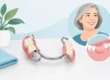
Treatment is guided by the underlying problem. Professional cleanings and periodontal therapy can reduce infection and inflammation. A night guard can protect teeth from grinding. A tooth affected by trauma may be stabilized with a temporary splint. Decay, cracks, and infection may require restorative treatment, root canal therapy, or a crown. If a tooth cannot be saved, modern replacement options such as dental implants, bridges, or dentures can restore function and appearance.
At Newport Beach Dentistry, care is tailored to the person behind the symptom. That means considering your comfort, overall health, smile goals, and the most conservative treatment that can protect your long-term oral health.
A loose-feeling tooth may be a warning, but it can also be the moment that helps prevent a larger problem. Schedule an evaluation promptly, protect the area from extra pressure, and let a dental team give you clear answers and a plan for moving forward with confidence.