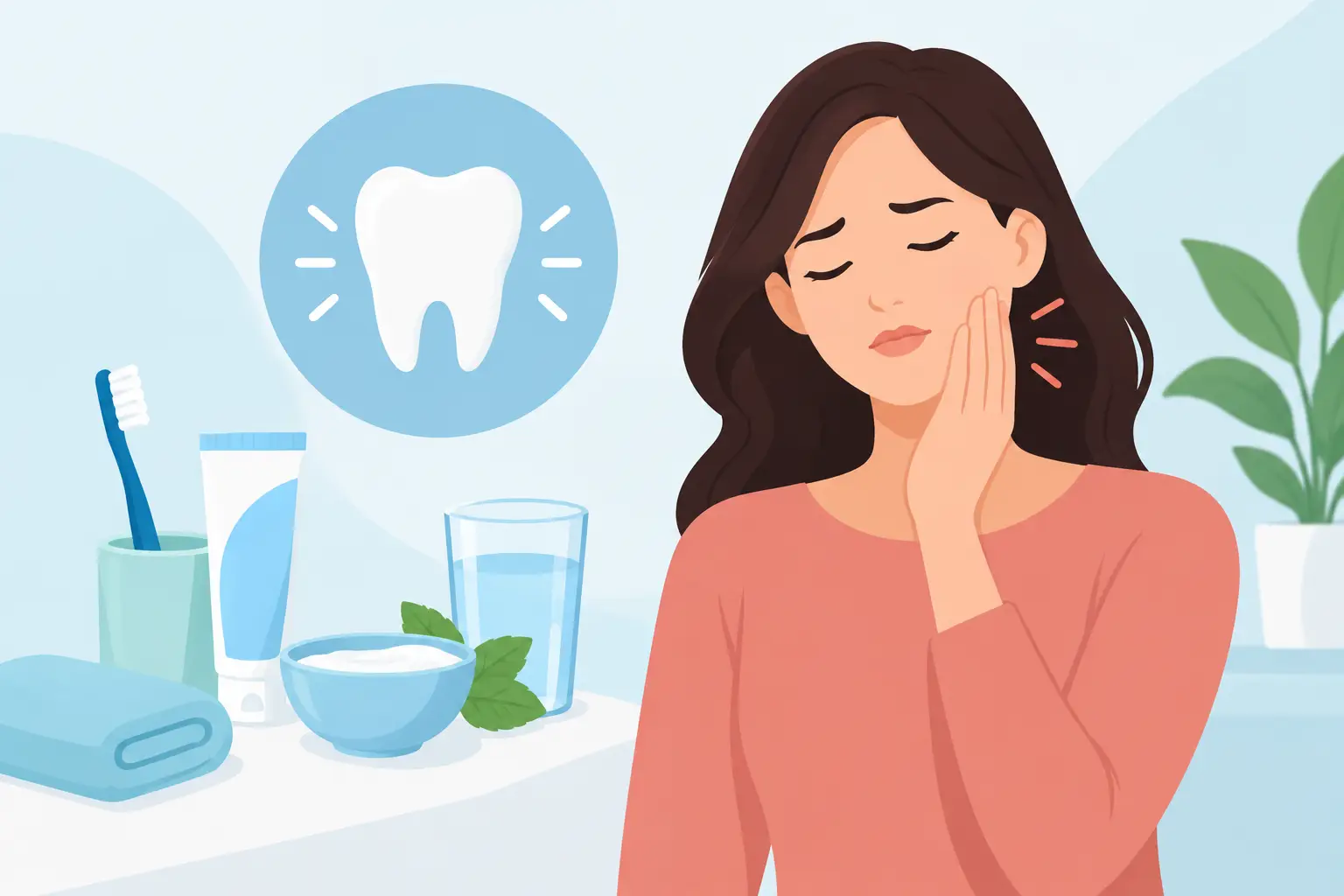
A sip of iced water should not make you brace yourself. If cold drinks, hot coffee, sweets, or even a rush of air trigger a quick, sharp sensation, you may be looking for ways to manage sensitive teeth at home. Gentle home care can often reduce mild sensitivity, but it should never mean ignoring pain that is new, severe, or getting worse.
Tooth sensitivity is common, and it is treatable. The right approach begins with protecting the enamel and exposed tooth surfaces that are reacting to temperature or touch. Just as importantly, it means recognizing when sensitivity could be a sign of a cavity, crack, gum disease, or another concern that needs professional care.
Why Teeth Become Sensitive
Each tooth has a hard outer layer called enamel. Underneath it is dentin, a layer with tiny channels that connect toward the tooth’s nerve. When enamel wears down or gum tissue recedes, those channels can become exposed. Cold, heat, sugar, acidic foods, and brushing pressure may then cause the familiar short, sharp pain.
Sensitivity can develop for several reasons. Brushing too hard, using a hard-bristled toothbrush, frequent acidic drinks, teeth grinding, gum recession, and recent whitening treatments are common contributors. A cavity, loose filling, cracked tooth, or infection can also cause pain that may feel like routine sensitivity at first.
The pattern matters. General sensitivity across several teeth is often linked to enamel wear or gum recession. Pain that is focused on one tooth, lingers after a hot or cold trigger, wakes you at night, or occurs when biting deserves a dental evaluation sooner rather than later.
How to Manage Sensitive Teeth at Home
Home care works best when it is consistent and gentle. The goal is not to scrub sensitivity away. It is to reduce irritation, protect vulnerable surfaces, and give desensitizing ingredients time to work.
Choose a toothpaste made for sensitivity
Use a toothpaste formulated for sensitive teeth twice daily. These products commonly contain ingredients that help block sensation along the exposed dentin channels or support enamel remineralization. Results are not always immediate. Many people notice a difference after one to two weeks of regular use, while more significant improvement may take longer.
After brushing at night, spit out the excess toothpaste but avoid rinsing vigorously with water. Leaving a light coating on the teeth can allow the active ingredients to remain in contact with sensitive areas longer. Do not apply toothpaste to a tooth if it causes burning, swelling, or a rash, and ask your dentist for an alternative.
Use a soft brush and a lighter touch
A soft-bristled toothbrush is the better choice for most patients, especially when gums are receding or teeth are sensitive. Brush for two minutes using small, gentle motions along the gumline. Think of cleaning the teeth rather than polishing a stain out of a countertop.
Aggressive horizontal scrubbing can wear away enamel near the gumline and irritate gum tissue. If you tend to press hard, an electric toothbrush with a pressure sensor can be helpful. It provides feedback before too much force becomes a habit.
Make acidic foods and drinks less damaging
Acid does not have to be completely eliminated, but frequency makes a difference. Sparkling water, soda, sports drinks, citrus, wine, and sour candies can temporarily soften enamel. Sipping acidic beverages over several hours keeps teeth under repeated acid exposure.
Have acidic items with a meal when possible, and follow them with plain water. Wait about 30 minutes before brushing, since brushing immediately after acid exposure can add wear to temporarily softened enamel. If you drink coffee or tea, avoid adding frequent sugary sweeteners that raise cavity risk as well.
Pause whitening if your teeth react
Whitening strips, trays, and professional whitening products can cause temporary sensitivity, particularly when used too often or left on longer than directed. If sensitivity begins during whitening, take a break and switch to a sensitivity toothpaste. Do not try to compensate by using more whitening product or by combining multiple products.
Some patients can resume whitening later with a modified schedule. Others may need a different approach or treatment for underlying enamel wear, exposed roots, or cavities first. A personalized recommendation protects both the comfort and appearance of your smile.
Protect your teeth from grinding
Clenching and grinding can place substantial force on teeth and may contribute to worn enamel, cracks, jaw soreness, and sensitivity. You may not realize it is happening, especially during sleep. Morning headaches, tight jaw muscles, flattened tooth edges, or a partner hearing grinding sounds can be clues.
A properly fitted night guard from a dentist offers more reliable protection than a generic option for many patients. Store-bought guards may be useful as a short-term measure in some cases, but a poor fit can be uncomfortable and may not protect the bite appropriately. If you suspect grinding, schedule an examination rather than assuming sensitivity toothpaste alone will solve the problem.
Small Habits That Can Make a Noticeable Difference
Sensitivity often improves when daily habits become more tooth-friendly. Drink water regularly, especially after coffee, citrus, or carbonated drinks. Choose lukewarm water if cold water is uncomfortable, and avoid testing sensitive teeth repeatedly with ice or very hot foods.
Continue cleaning between your teeth every day. Floss or another dentist-recommended interdental cleaner helps remove plaque where a toothbrush cannot reach. Skipping this step because gums feel tender can allow inflammation to progress, which may lead to more gum recession and sensitivity over time.
If you use mouthwash, choose one that is alcohol-free and designed for dry mouth, cavity prevention, or sensitivity when appropriate. Dry mouth can increase the risk of decay because saliva helps neutralize acids and protect teeth. Certain medications, mouth breathing, dehydration, and medical conditions can all reduce saliva flow.
What Not to Do for Sensitive Teeth
It can be tempting to use home remedies when discomfort interrupts your day, but a few popular approaches can make the problem worse. Do not brush with baking soda or abrasive powders in an effort to remove stains. Do not place aspirin directly on a gum or tooth, as it can burn soft tissue. Avoid using undiluted acidic rinses, including lemon juice or vinegar, which can erode enamel.
Temporary relief should also not become a reason to delay care for a toothache. Over-the-counter pain medication may help with discomfort when taken exactly as directed on the label and when safe for you, but it does not treat the cause of a cracked tooth, infection, or cavity.
When At-Home Care Is Not Enough
Schedule a dental visit if sensitivity lasts longer than two weeks despite gentler home care, or if it is affecting what you eat and drink. Prompt attention is especially important if pain is severe, localized to one tooth, triggered by biting, lingering after heat or cold, or accompanied by swelling, fever, a bad taste, drainage, or a visible crack.
A dental examination can identify the source of sensitivity with a close visual assessment and digital X-rays when needed. Treatment may be as simple as a fluoride application, a protective bonding material, or an adjustment to your home-care routine. If decay, gum disease, a cracked tooth, or an infected nerve is involved, addressing it early usually preserves more of the natural tooth and avoids a more extensive repair.
Patients with frequent sensitivity also benefit from preventive visits. Professional cleanings, gum health monitoring, and a careful review of brushing habits can help prevent small changes from becoming persistent problems.
Sensitive teeth can make ordinary moments feel unpredictable, but you do not have to simply tolerate the discomfort. Start with gentle, protective daily care, pay attention to the pattern of your symptoms, and seek personalized dental guidance when the pain does not settle. Comfort is part of a healthy smile, and it is worth protecting.